

8 X The best cheap street food from Japan
Japan has more Michelin stars than any other country. And yes, that is enviable. How they do it there Japan We don't know, but everything is a taste explosion. As part of a cooking tradition driven by age-old family recipes, simple dishes truly become art forms. Whether it's juicy octopus balls, hand-pulled soba noodles or slippery sardines, the food in Japan is the best of the best, even on a budget. That of course begs for a list of the best cheap street food Tokyo en Osaka + the addresses where you get these budget-proof snacks can try. Can't wait!
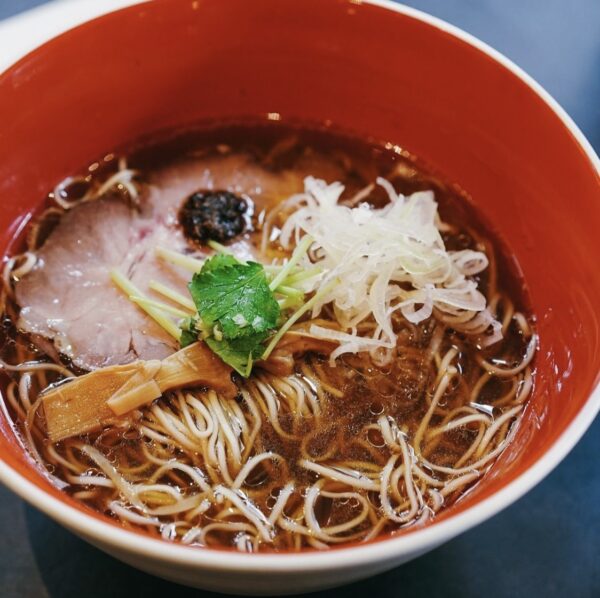
Noodle shop Tsuta is the first in the world to be awarded a Michelin star and is definitely worth a try! Early in the morning, long lines of people form here eager to get a spot in the noodle shop and to taste the award-winning noodles. You can choose whether you want the noodles hot or cold. You can also choose which stock you want: shio (salt), shoyu (soy sauce) and miso (a kind of bean paste). The real one eyecatcher of the noodle shop is the Shoyu Soba, noodles cooked in broth with a hint of mild soy sauce and a hint of truffle puree. Doesn't this dish sound like music to your ears?
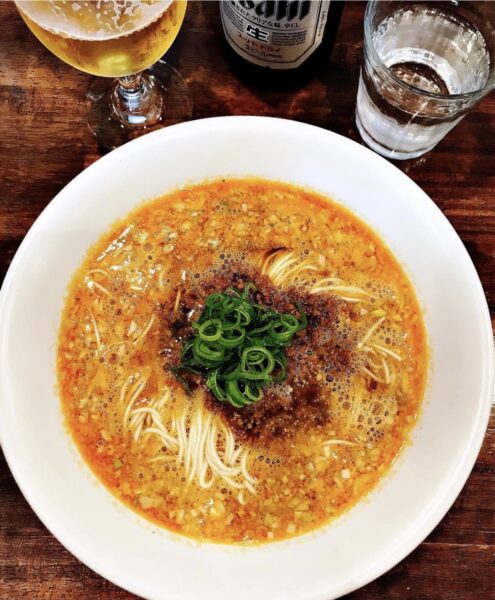
Noodle shop Nakiryu followed in the footsteps of Tsuta and was the second noodle shop to receive a Michelin star. There is a pleasant atmosphere around this small restaurant and the queues are at least as long as before Tsuta. The real reason you go here: the tantanmen, a Japanese version of spicy Sichuan noodles. The dish is spicy and creamy with a hint of umami and sesame. Combine it with slices of braised pork, soy-dipped eggs, wontons, leeks, seaweed and add some bamboo shoots and slurp up!
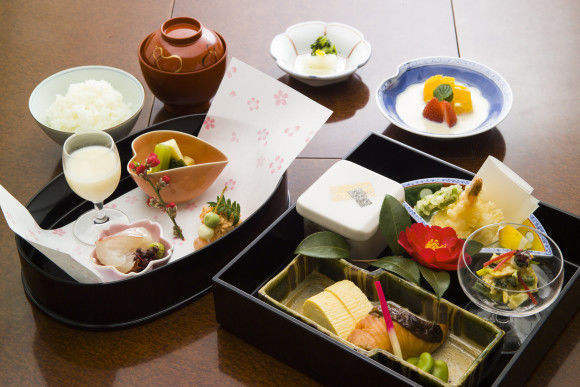
The golden tip with this restaurant is to go for the Michelin-starred lunch (so you only pay a fraction of what you pay to dine here, so a profit!) The stars of the lunch are really the sardines, which are served in five ways. You can have them fried, stewed in shoyu stock (stock with soy) or marinated as sashimi in sesame and ginger. Or choose the favorite: the yanagawa nabe set, classic comfort food – a casserole of fried sardines in a shoyu broth topped with egg and onions.
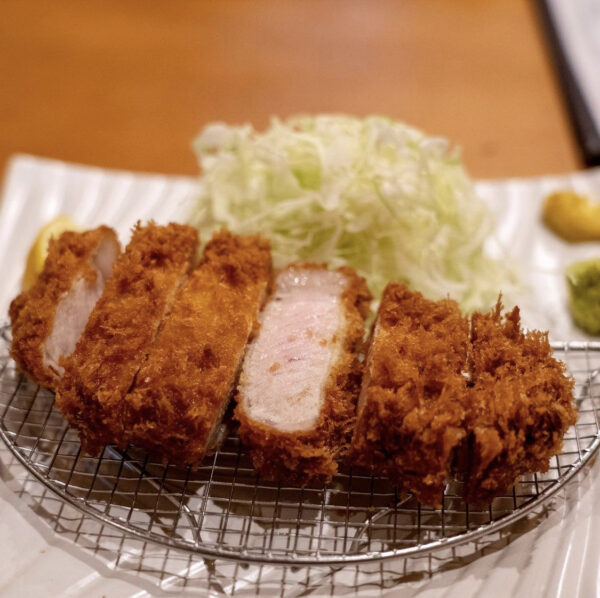
This restaurant made its debut in the Michelin Guide in 2018. This is mainly due to the way they prepare pork. They recommend that you enjoy the meat with pink salt to bring out its natural sweetness, rather than basting it with the regular or spicy tonkatsu sauce (a kind of mix of ketchup, worcestersauce and soy sauce). The juicy cutlet is covered with homemade panko breadcrumbs for a light and golden brown crust. You can choose from different types and cuts of pork here, but order like a true regular customer and go for the ou rosu-lende. The melting fat gives an extra juicy aftertaste – yum!
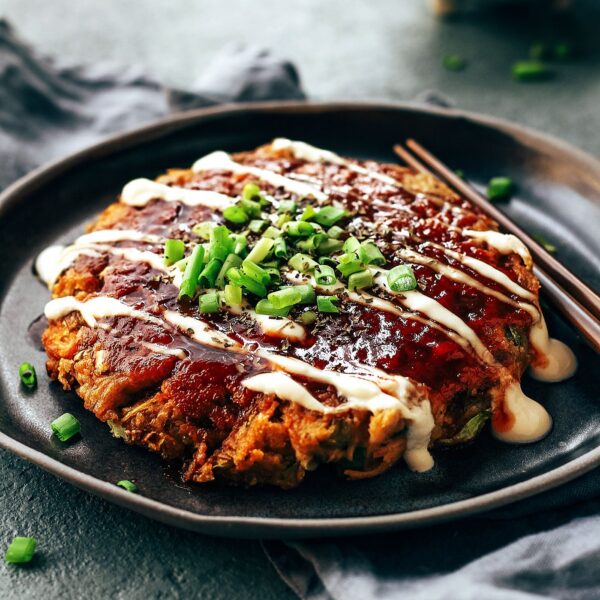
This restaurant remains a favorite among the locals and tourists. Actually, the name already gives it away when it comes to Okonomiyaki, which means 'grilled the way you like it'. No ingredient is out of the question, you name it – everything is possible. Okonomiyaki is often translated from English as a Japanese pizza, but rather think of it as a thick, savory pancake bursting with ingredients like shrimp, pork, octopus and other types of squid. It may sound a bit strange, but... they don't have a Michelin star for nothing, right?
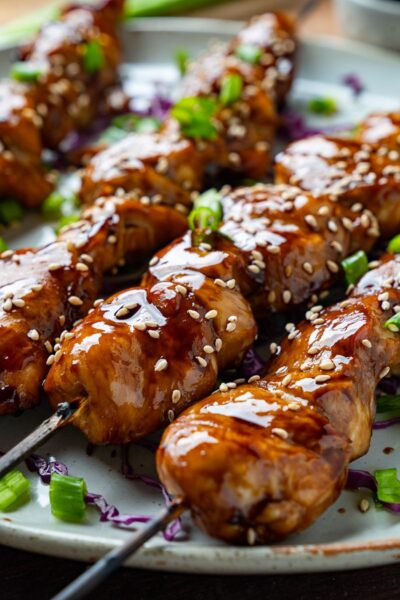
This restaurant may be known for Yakitori (which literally means grilled chicken), but that doesn't do the dish justice. It is deeply embedded in Japanese culture and can be found everywhere. But for real quality Yakitori you pay a visit Toriya in Osaka. Tip for the dare devils among us: try the chicken sashimi.
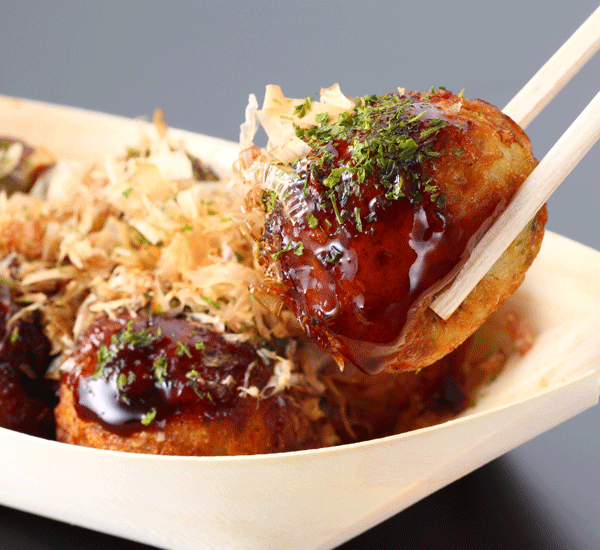
takoyaki, or octopus balls in Osaka are as obvious as cubes of cheese in the Netherlands: a typical taste that you must have tasted. This bite-sized one snacks are sold by street vendors all over the city, but for some of the best, head to eatery Umaiya. This small restaurant earned a Bib Gourmand (an award for exceptionally good food at acceptable prices) in 2016 and still adheres to the original recipe from 1955. There are no additives, toppings or sauces, and the dough is made with a thin batter of flour, mixed with bonito-based dashi broth (the broth is made from tuna and a type of seaweed), chopped green onions and diced octopus. Once cooked, the little balls are finished with a layer of sticky, semi-sweet glaze: golden brown and crispy on the outside, chewy on the inside – and well worth the wait.
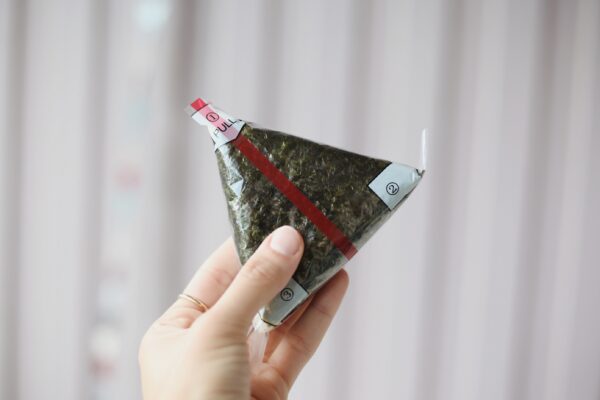
The sweet, small triangular or oval rice bites wrapped in seaweed known as onigiri They may not look very appetizing, but if they are made well, they are real flavor bombs. Onigiri Akakusa Yadoruku is an example of this. They are in the Michelin guide because of them onigiri and that's not surprising, because they have been serving this since 1954 (when white rice was even still a luxury item!) onigiri are made here with the very best and warm rice, wrapped in crispy edo-mae seaweed and filled with seasonal ingredients such as, salmon, child (plum) and shirasu (whitefish). If you travel here, you will enjoy a nice dinner among grandparents visiting with their children and grandchildren. Experience what it's like to have a real one local to be!
Are you craving Japanese food now? Check through this link our favorite Japanese restaurants in Amsterdam (great as soon as the catering industry is allowed to open its doors again) or bring the Japanese vibes into your own home by cooking a delicious meal yourself.