

Garden jobs in June – all love for your garden
Enjoy above all. That is the most important thing in this time when everything is growing and blooming. Rather be lazy and watch (now those are tips). And if something doesn't work out, remember that you can try again next year. But hey, a few tips always come in handy. Here they are!
One of the most important tips: do not reach for pesticides if something is being eaten, but use nettle or comfrey to make slurry (caterpillars and unwanted animals do not like that). Snails are useful animals (unless you have too many of them): they clean up the garden by eating plant material and fungi and converting them into nutritious soil. It is best to catch too many snails by hand in the morning or evening. Leave the soil alone as much as possible. Digging disturbs the soil life.
Are you having a lot of trouble with lice? Sprinkle some pepper on the plant and for mold you can sprinkle cinnamon. But the best remedy against lice is still the lice pots.
The Ice Saints are over, so all frost-sensitive plants can go outside and you can now leave the tub plants outside with a clear conscience. Sprinkle some compost on the faded bulbs that remain in the ground. The summer bulbs, such as dahlia and begonia, can now go into the ground.
Pick or cut a lot of flowers from the summer bloomers. The more you cut, the more flowers the plant will make. Remove faded flowers from the plant. Otherwise the plant will form seeds which will be at the expense of flowering.
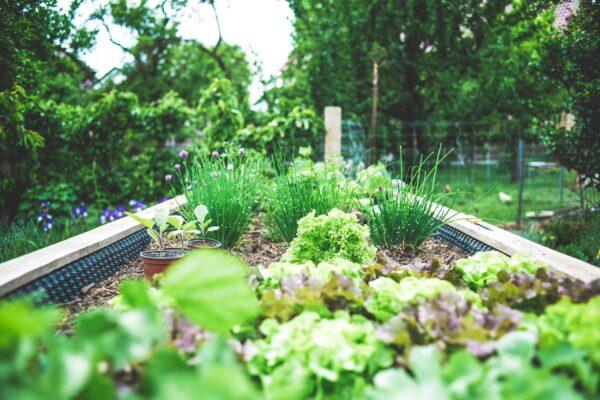
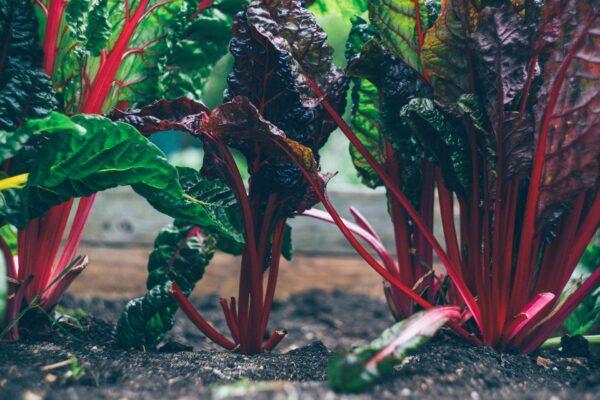
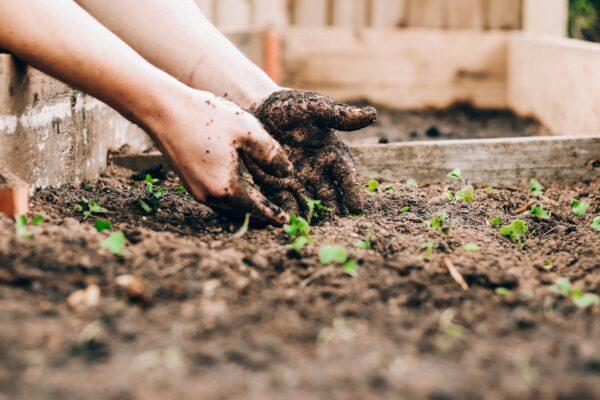
To get nice bushy, perennials you can cut the plant back by a third. The plant is then also less susceptible to diseases. This works well with Cosmea, ornamental tobacco, Helenium, Cosmopolitan, Phlox, Michaelmas daisy, Bergamot plant and Speedwell. You then cut out the bud, but a new one will grow in it if you do it before June 21.
Sedum has a habit of tipping over when it gets too big, so you have to tease it a bit. You do this by sticking a shovel or rake under the plant and lifting it up a bit. The plant stops growing for a while because the root has to take hold again.
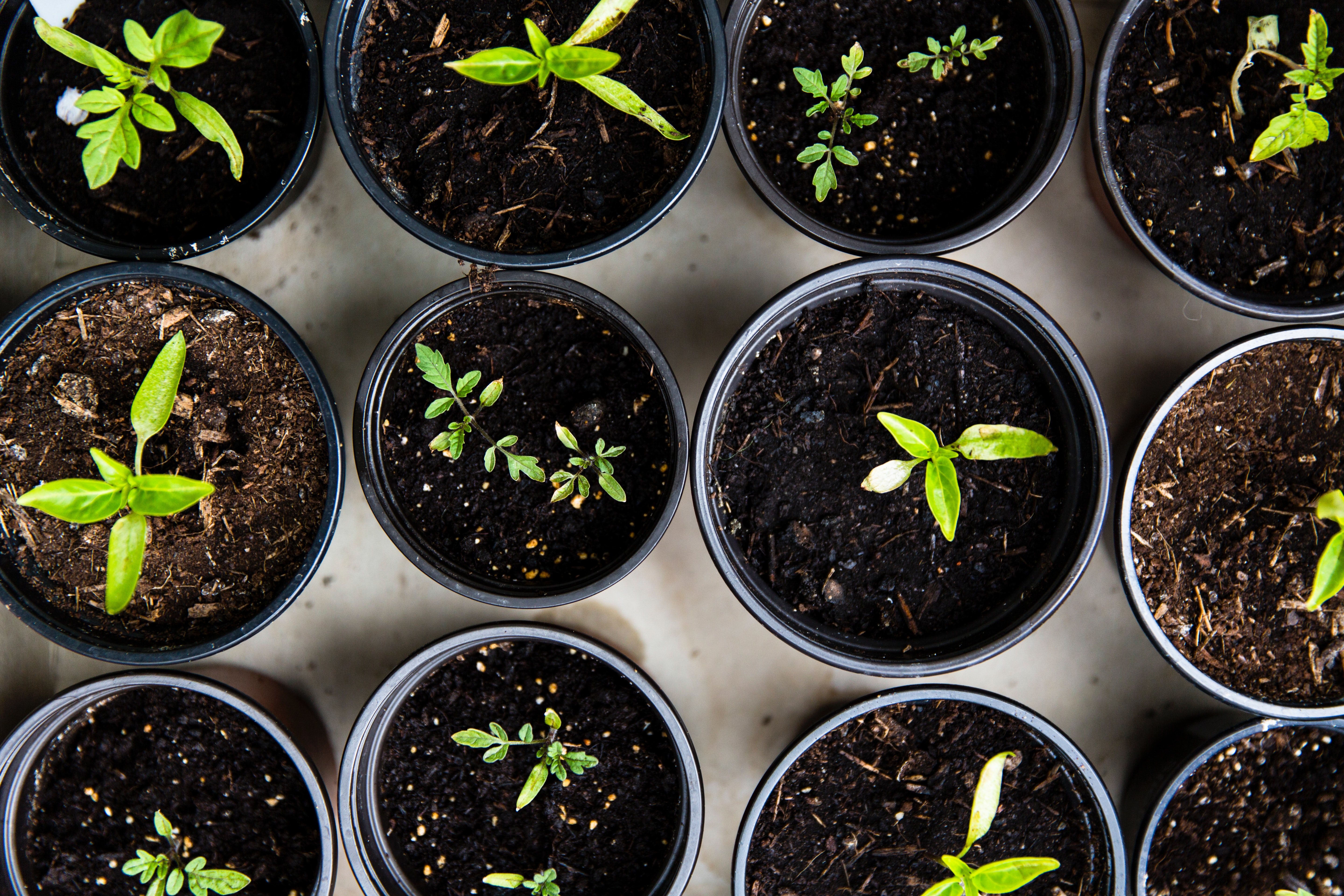
In the vegetable garden you can now also sow beans. Tomatoes (regularly pinch and tie), courgette, pumpkin, melon, pepper and aubergine can go outside (keep weeding). Also keep sowing lettuce and other vegetables so that you never run out. You can make delicious pesto from ground elder and delicious tea from nettle. Nasturtium and marigold also belong in the vegetable garden, because the flowers are edible and because they keep snails and lice away. Win-win.
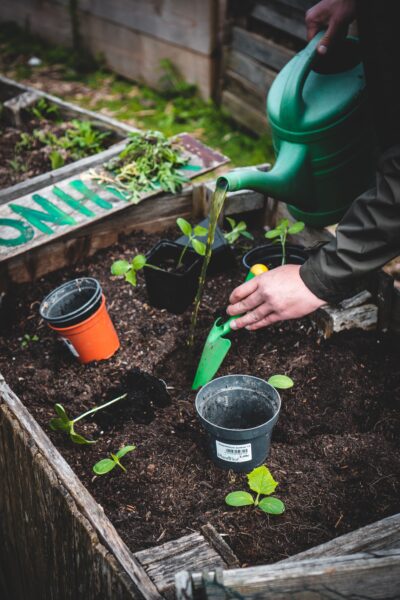
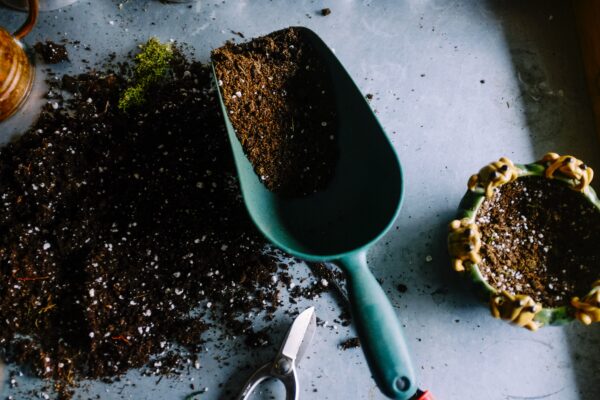
Add compost to your ornamental and vegetable garden. Compost retains moisture. If you make your own compost heap, do not add moldy plants or plants with too many seeds. Bokashi is also a type of compost, but provides more nutrients than compost. Bokashi literally means: fermenting. You can do this in special buckets. An advantage of Bokashi is that it is rich in a wide range of useful micro-organisms and therefore provides more diversity, it protects against harmful fungi and bacteria! Handy: you can also buy it ready-made. Both Bokashi and compost are organic.
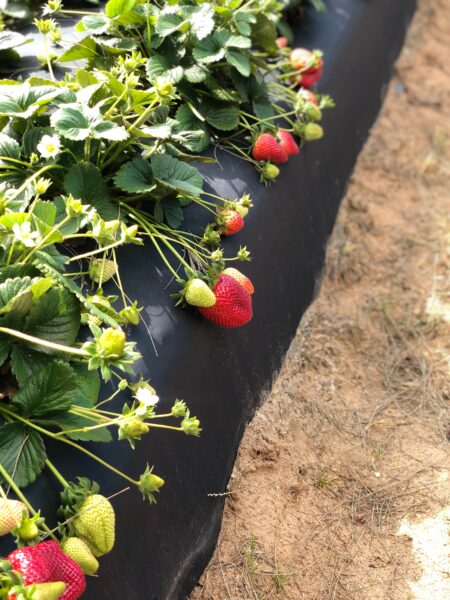
You can put some straw between the strawberries so that the strawberries do not lie on the moist soil. If you have problems with nematodes (these eat the roots of the plant in a day), sow or plant marigolds between the plants. If you plant single-flowered plants, the insects can better reach the stamens for pollination (this applies to all flowers). The cabbage white butterfly also does not like the smell of marigolds. The cabbage white butterfly lays its eggs in the cabbage plants. You can put fleece over it. Drop plants between the cabbage also ensures fewer pests.
We already mentioned the , but other edible plants are: Cornus mas Flava (this one needs cross-pollination, for example with Cornus mas Szafer). The honeyberry, pawpaw and kiwiberry can also be eaten. You need space and patience for them, but they are definitely worth trying. But the more common fruits, such as berries and raspberries, from your own garden are also delicious.