

From gray to green: These are the how-to garden jobs (for the entire neighborhood) for the month of June
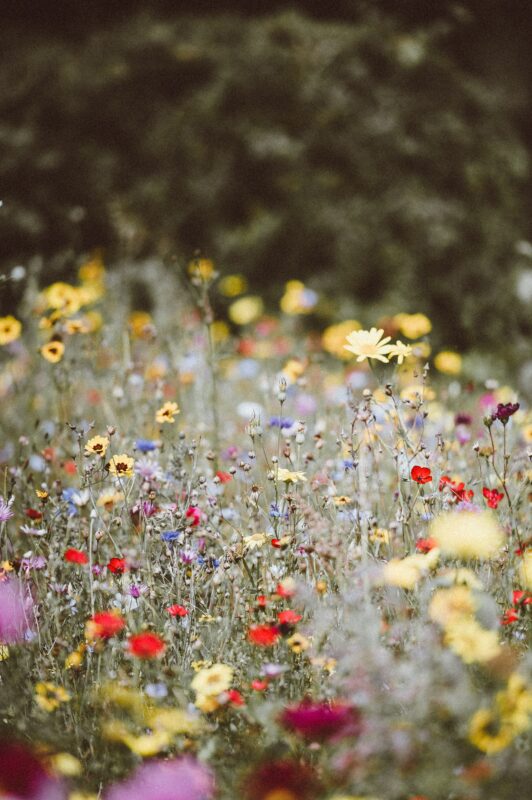
If you think that the month of June is too late to go all out in your front or backyard or even better: to make the entire street beautiful and colorful (get rid of those gray months!), then you are wrong. . There is also a lot to do in June. A lot of pruning, planting and, above all, watering. Moreover, there are many beautiful colorful flowers as we speak in bloom (note: these are often annual plants and will only last one season. That's fine as long as you take that into account!) so that your previously gray hood becomes summery and cheerful in just a few hours. How? Well!
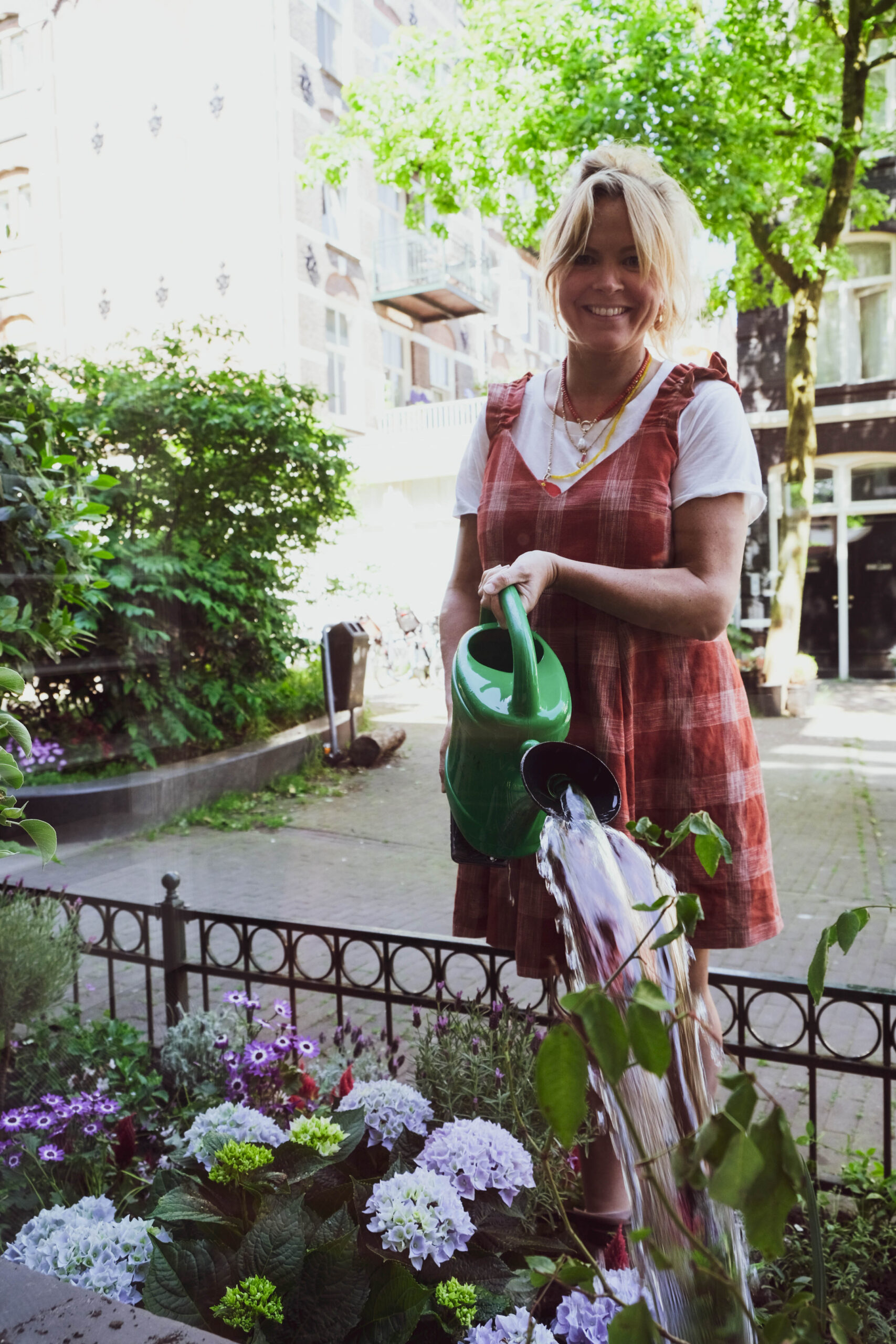
Before planting, prune, prune, and prune again in June. Shrubs that have finished blooming, such as hydrangea, can be pruned back. You can cut away 1/3 of the branches. That may hurt for a while, but really, it is really better and they are getting there in the end only more beautiful. You often see a hydrangea in the streets because it is a nice and strong plant, so don't hesitate to go into your neighborhood and help the shrubs that belong to everyone. Old thick branches or branches that look a bit strange can be pruned back to 10 cm above the trunk. The hedges can also be pruned: that makes all those front gardens nice and sleek. But wait a few more weeks with the yew! It is best to prune hedges on a cloudy day – just saying.
If you do start working in the neighborhood, make sure you have enough organic fertilizer with you: front gardens - especially in the city - often receive less attention than the backyard where most people sit and especially now, in the spring, the plants need food. And if you have a vegetable garden, add some extra organic fertilizer to your tomatoes, peppers, pumpkin, eggplant and zucchini plants. And also fertilize the grapes and berries. You now have to 'thieve' tomatoes: remove the young shoots from the armpits of the plant.
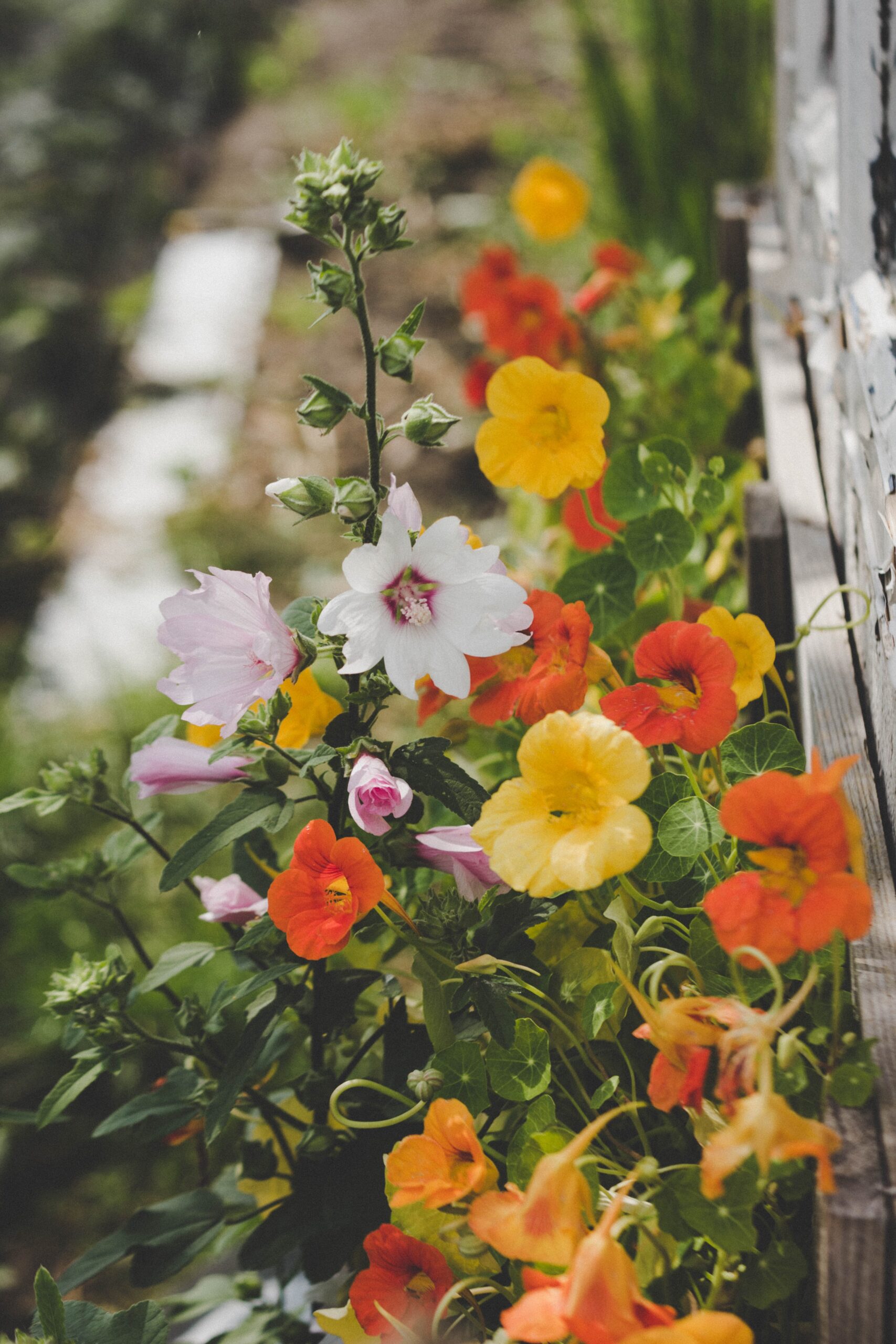
To continue with those edible plants: we have planted strawberry plants in the front garden and in the planters of our communal garden: super fun for the neighborhood children and it looks nice too! Place straw under the strawberries when they are in the open ground. This is of course not necessary for pots, but neighborhood planters (again, especially in the city) are often large and sturdy (and vandal-proof) and straw works very well. Strawberries can be eaten by nematodes. A shame, because then the plants die overnight. If you sow or plant marigolds among the strawberries, the nematodes will stay away, because they don't like the smell. Dissolved. The cabbage white also doesn't like that smell. Only take flowered marigolds. This attracts insects and that is exactly what you want in your (front) garden. In double-flowered plants they cannot easily reach the stamens. This applies to all single and double flowering flowers. The cabbage white likes to lay its eggs on cabbage plants. Caterpillars hatch from this and eat the cabbage plants.
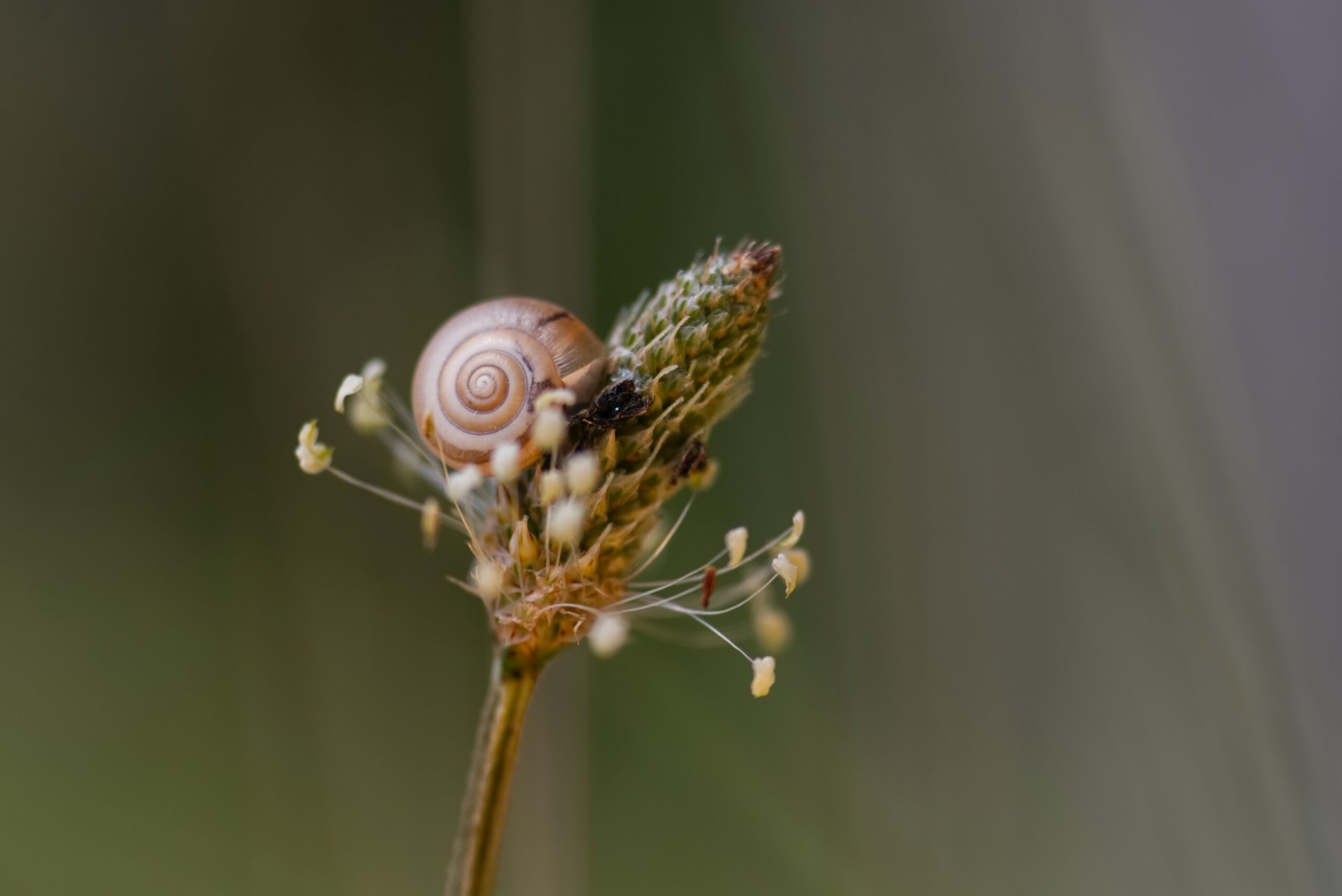
Place fleece cloth over the cauliflower and broccoli. This way, caterpillars cannot lay their eggs there. They usually stay away from kale and palm cabbage. Tip: also plant a licorice plant between the cabbage. Looks nice and you are less likely to suffer from pests. You lure snails with the smell of beer. Cozy too; turn it into an outing with the neighbors ;-). Dig a mason jar with some beer in the ground so that the top of the pot is level with the ground. The snails are attracted to the smell and die a blissful death. If you think that's a bit cruel, it's best to catch them by hand early in the evening and release them somewhere else. Not at the neighbors! If you suffer from mildew, prune the plant back considerably.
Our front garden is in the shade most of the time, but the communal flower boxes are in the sun all day long: pay attention to this when you buy plants and divide your plants from high to low. This way you can easily place a shade plant that you really like, but which would actually be in the sun, in the shade of another large plant or tree.
READ HERE OUR TIPS ON WHAT TO PLAN IN A GARDEN OR ON THE BALCONY IN THE SHADE
Our eggplant plants (in a pot) faded from the bright sunlight. The solution: fleece cloth. That's not very nice of course, so it's mainly a practical solution for the vegetable garden. Don't let the rhubarb bloom. It is best not to harvest the rhubarb bush after July. It fits perfectly in the perma-culture garden. Perma-what? Read here what perma-culture is and how to create such – spoiler alert – create an edible garden in a small garden.
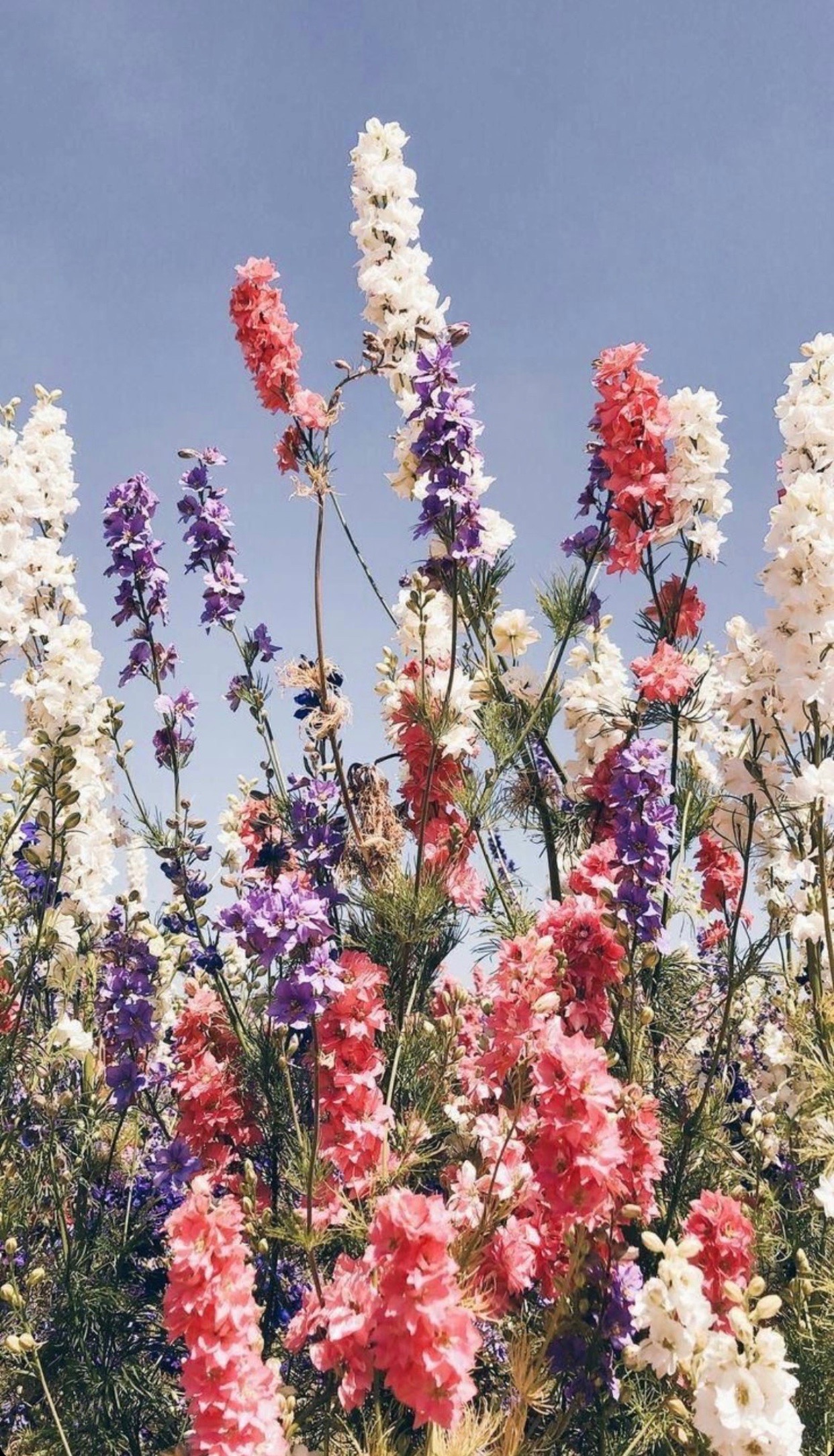
In June it is also time beans and sweet corn to sow. And you can already sow biennial flowers. That is possible until August. You sow them this year and next year they will bloom: ideal to put between the annual plants so that you and your neighbors can enjoy your 'from gray to green' efforts, both now and next year. Most types of biennial plants self-sow. So you will enjoy it for years, much more than two. Some nice bloomers are: Erysimum cheiri, Verbascum, Peucedanum verticillare, Dipsacus fullonum, hollyhock.
You can prune many perennials until June 21. Flowering will be a little later, but you will get beautiful and sturdy plants that bloom longer. The best time to prune a tree is after June 21. They usually get another growth spurt so that they go into winter strong. It is better to twist off wild shoots at the bottom of the rose bush than to cut them. There are certain late flowering Allium bulbs that can still be planted now.
Nice, working in the neighborhood for a weekend like that, but – keep weeding! You can make delicious pesto from ground elder and nettles, often found in every not so well-kept garden (hi!) We throw it into the penne, add some bacon, and your healthy meal is ready (for the whole neighborhood!). Be sure to remove the spent flowers from the plant. So he continues to make new ones. This also applies to roses, also a popular neighborhood plant that we have planted in the front gardens. Otherwise, hips will grow and you will not get new flowers.
If you have a lot of problems with lice, sprinkle some pepper over it. If there is mold, sprinkle cinnamon.
In warm weather, a lot of water evaporates from the pond. If you put some tall aquatic plants in there, it will reduce evaporation somewhat.
Some more tips to save water:
* Do not leave any ground empty. Mulch the bottom.
* Do not place buckets or barrels of water in direct sunlight.
* Try to collect as much water as possible when it rains in buckets and barrels.
* Do not spray too often. Better to be a little longer than often very short.
* Plant plants in the garden that can withstand drought. Gray hairy plants can often withstand drought well. Not large leafy plants.
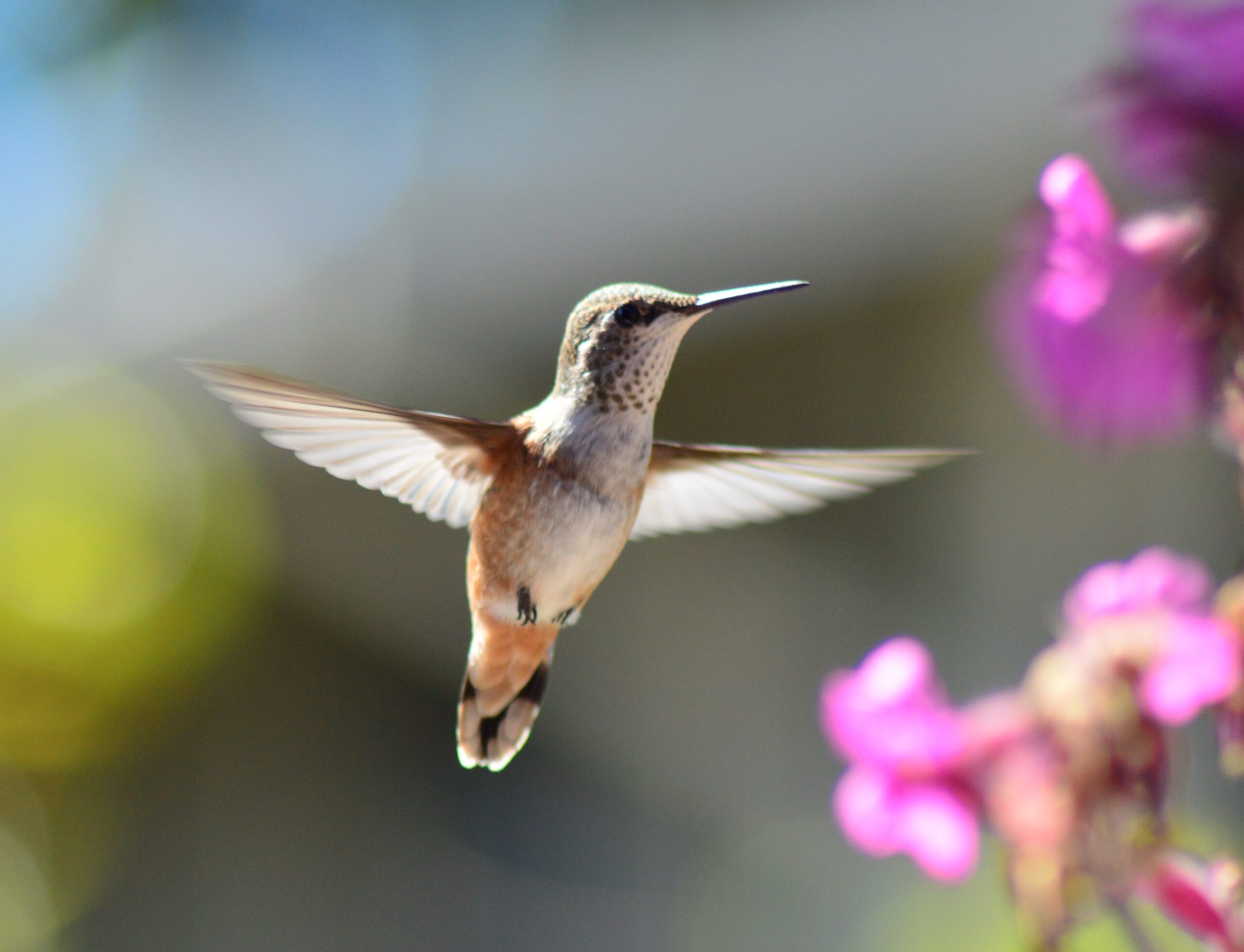
Some more tips to attract birds to the garden:
* Make sure there is plenty to eat. For example berries.
* Have aAlways flowering plants in the garden.
* Birds like to nest in ivy against a fence.
* And they like to hide in a bush with thorns.
* Simple and efficient – hang bird boxes everywhere.