


Garden jobs for May (2021): getting started
New month, new garden jobs. May is a nice (read: important) gardening month and we have already written two previous articles about it the things you can do in the garden this month. Here you can read them: the May garden calendar en May in the garden, this is happening. Those kites are still flying, but there is more. Even more? Sure. Even more. Read along, garden jobs for May (2021). This is how you get started.
If you have already sown and the windowsills are full of plants (which are actually getting too big), then you probably want to throw the whole thing outside... But you really have to hold on a little longer because it can still freeze at night. If you are stubborn and put them in the garden anyway because of lack of space, then by all means protect them with fleece cloth.
If you are going to prune the hedges, check that there are no bird nests in them.
Remove flower stems from the rhubarb. This costs the plant unnecessary energy.
Place straw under the strawberries.
The flower bulbs can be planted in the ground after mid-May. Such as Dahlia, Begonia and Eucomis (can now be grown indoors in a pot). The tomato, zucchini, pepper, cucumber and eggplant plants can be grown outside, in pots or in open ground.
If you want fruit in the garden but don't have much space, there are small varieties for sale. These can also be grown in pots. The advantage of this is that you can place the pot somewhere with the most favorable conditions. You can adjust the soil type in the pot to the plant. The disadvantage is that you have to water more often.

The annual plants can be sown outdoors. You can enjoy annuals all summer long and the more you pick these flowers, the more they will do their best to produce new flowers. Some examples: nicotiana, persicaria, alonsoa, ageratum. Just look at the cards in the garden center, it will be fine!
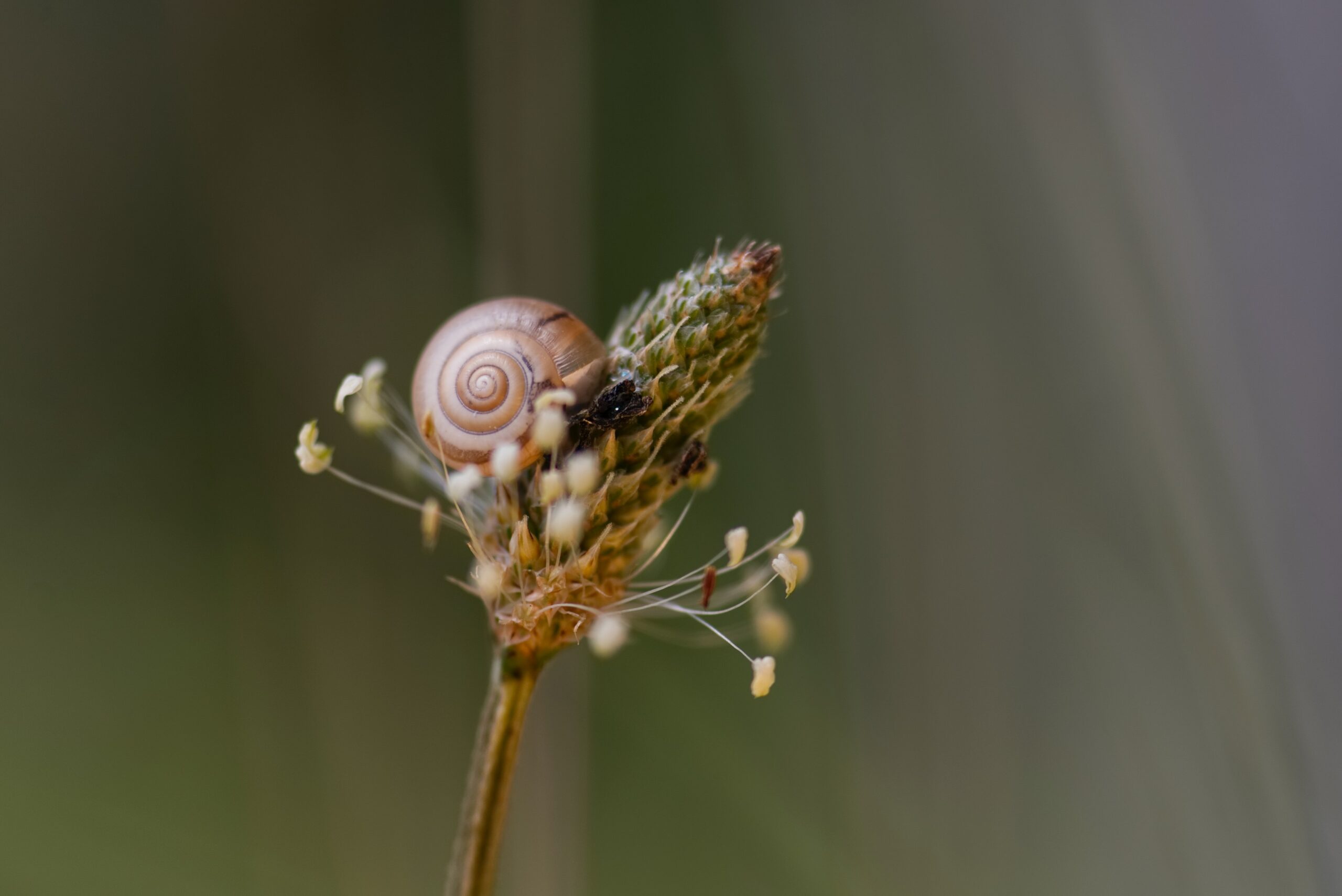
Make sure that the soil is well loosened and that it is moist and free of weeds. When the plants are 10-15 cm high, you can top them to get fuller blooms. Be careful of the snails. Do not sprinkle with chemical slug pellets, that is a shame; There are plenty of good natural alternatives, even at your own garden center.
Now is also the time to divide perennials that are just above the ground. Remove them from the ground, throw away the middle part and the outsides can go back into the ground. Most perennials will do well if they are given a freshening up every 3 years.
Now also sow lettuce, chard (always harvest the small leaves because they are the tastiest), beets, herbs, radishes, cabbages (peasants and kale are best sown or planted after the peas or legume harvest. These have left nitrogen in the soil where the cabbages benefit again) and carrots.
Also sow nasturtiums, marigolds and other edible flowers. There is a nice app if you want to garden biodynamically that 'Moon & Garden' is called.
If you now remove the tops of plants such as zinnia, matcha plant, cosmea and ornamental tobacco, you will get stronger, bushy plants with richer flowering. Remove offspring from the pond and ensure that there are sufficient oxygen-rich plants.
Tub plants can go outside again, but let them get used to it carefully.
Keep weeding. Make tea, pesto or use it in a smoothie from nettles, ground elder, dandelion and daisies.
A healthy, good soil is the success for a good yield in the vegetable garden and beautiful healthy plants. You garden on clay or sandy soil and there is a lot in between. But the soil always needs compost. Put as little as possible in the green container and make one compost heap. It is better to only put green waste with annoying seeds or mold in the container. You can put a lot on the compost heap, but not waste from cooked food. That attracts vermin. But coffee grounds, eggshells, and occasionally some unbleached paper work very well. The ideal place for the compost heap is in the shade. Sprinkle some lava flour or bentonite over it every now and then. That speeds up the process.

In addition to composting, you can also ferment. Another name is: 'bokashi'. The easiest thing to do is to buy a Bokashi bucket. You can store food scraps, peels, stumps, garden scraps, manure and straw here. Everything fresh. The big difference with composting is that it is much faster and carbon and energy are preserved. The micro-organisms present in the bokashi ensure good soil life. You can also buy ready-made Bokashi. Compost too, of course.

More tips
-

Opfriesen: to recharge, Friesland style
-

All together in nature: our favorite Dutch sleeping places in the middle of the greenery
-

But isn't that nerve-wracking? A long-distance trip with kids? Small children, big vacation: these are our tips and advice.
-

These are the nicest picking gardens in Nijmegen
-

Hello heatwave, hello Amsterdam Heat Plan – these are the best swimming spots in (and near) Amsterdam
-

A weekend in Kortrijk? This is the place to be!
-

Marseille: racking up the miles in and around the hip port city
-

Pick your own flowers and fruit: the best pick-your-own gardens in the Netherlands
-

Fun and sustainable: a day at Blijdorp Zoo
-

The best (surfing) beaches around Cape Town