

May in the garden – this is happening (the update)
My mother (Maartje's) was on the line again. Or actually: me with her. Because Màhàm, what should we do with the front garden?! I like best a 'wild garden'(you can read here how to do that), and a vegetable garden is the dream for later (there you read here we have plenty of tips on the how and what about gardens (check these out Barts Outside articles). But that mini corner, what shall we do with it? I'll arrange something, she said. And so it happened.
We are writing mid-May, and of course we want to enjoy our outdoor space immediately, hence an update with what's happening as we speak: (mid) May in the garden.
May is (also) for weeding. I know, that sounds like a shitty job, but it's not that bad. Weeds can also look quite nice and you don't have to pull them all out right away. See if there might be insects are attracted to it (such as nettle), and whether you can use the weeds for salads (such as dandelion and yes, also nettle - also read this article about permaculture, or how to eat everything from your own garden. Homemade pesto from nettle and dandelion stems is really delicious! And you can make tea from cultivated grass, for example. Really and truly.
When the ice saints are over (May 13-14-15), the chance of night frost is also over. So it's time to put all kinds of frost-sensitive plants outside! You can buy tomatoes, cucumber, zucchini, pumpkin and pepper as small plants and plant them in the garden now (after mid-May). The annuals can also go into the garden, and the container plants can be taken out of the shed.
The summer bulbs can be planted in the ground, for example the dahlia and begonia. There are many different varieties: I think those with dark leaves are very beautiful and can be combined well with something white or pink. Make a hole in the ground that is twice as deep as the tuber. After planting, water generously. If you are not sure which is the top or bottom of the tuber, lay it on its side. Then the flower turns to the light.


It is best to prune shrubs that have already flowered now. Then they have not yet produced new flowers for next year. And tYou can put straw between the strawberries so that they rot less quickly.
The summer-flowering perennials, which often become long and lanky, can now be cut back by half. That seems very scary because the plants already have flower buds, but the plant recovers and becomes sturdier and bushier and less susceptible to diseases. Make sure you do it before June 21! They then bloom a few weeks later. You can also cut half back and leave part untouched. This is how you spread the flowering. Examples include: zinnia, matchstick plant, cosmea, ornamental tobacco, helenium, cosmopolitan, phloxes, autumn asters, bergamot plant and speedwell.
Sedum often has the habit of growing too high and tipping over. If you now stab it with a shovel (to tease the plant), growth is inhibited he needs to recover so he doesn't get so big. Low sedum often grows so fast that you quickly have too much. I throw it on a roof that doesn't look so nice and there it automatically grows into a beautiful, colorful sedum roof.
You can continue to catch snails with beer jars or by hand. You can continue to sow lettuce (of all kinds). And – important: gEnjoyed the spring garden that is now in full bloom!

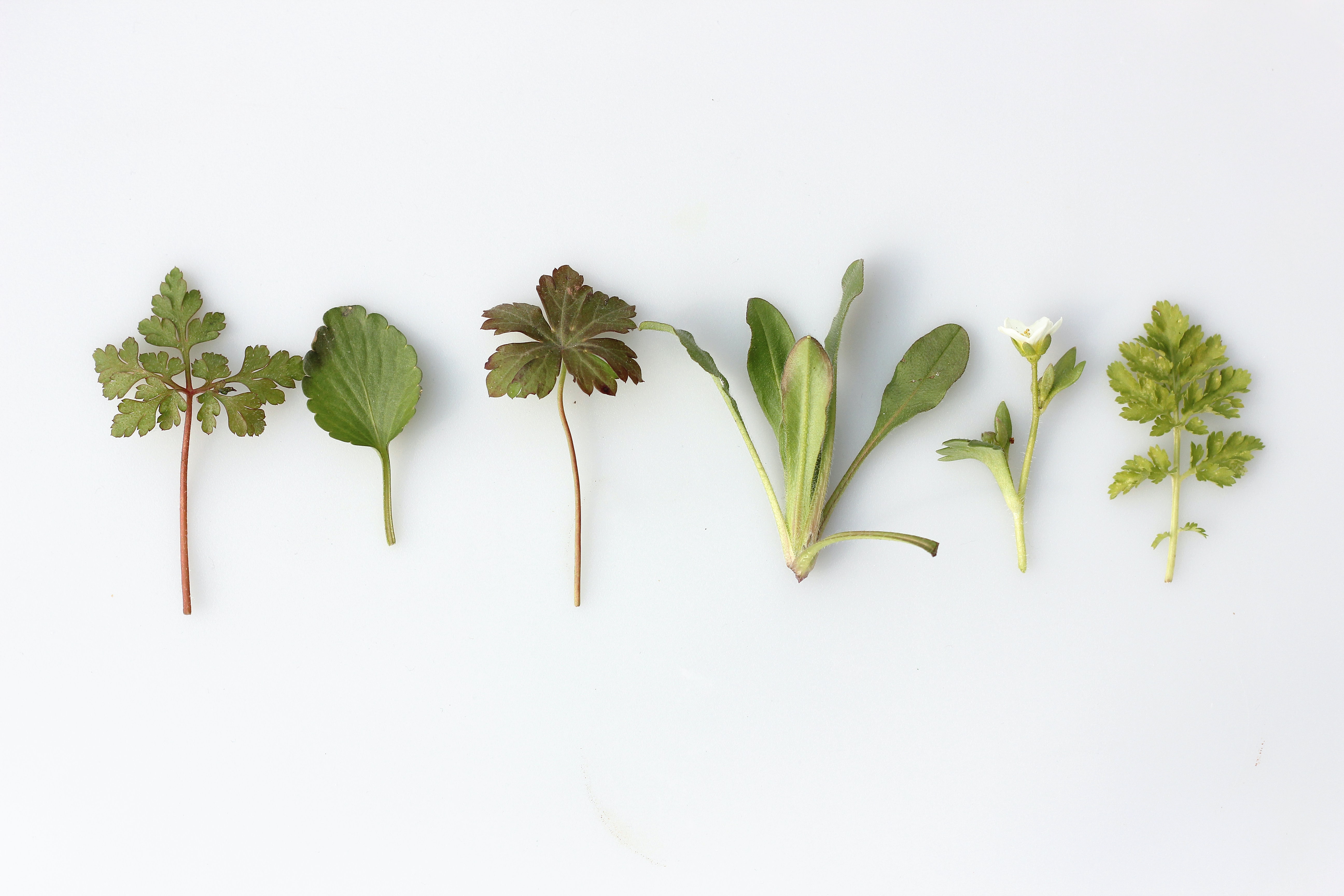
from left to right: Lily of the valley, Yellow poppy, Nightcap


photos at my mother's house, taken by my nephew Sven (10). It's a family affair.

If you have sown everything, the plants will have approximately emerged by now. If the plant (any plant) has four leaves on the stem (2 on each tip) then it is time to transplant them to a pot. This is a painstaking job that I don't really care about. But what has to be done, that has to be done. Carefully remove the plant from the pot and place it in a pot with soil. Make sure the plant has enough space or one plant per pot. First make a hole in the new container so that you can lower the plant into it. Press gently.
For tomatoes, peppers, zucchini and those types of plants, I plant one cutting per pot. You can immediately put this in the ground after mid-May. The chance that the plant is damaged this way is not that great. It is best to keep these weaned plants indoors, but when the weather is nice, place them outside in the sun for a few hours so that they can harden off. Continue to provide plenty of water.
I also transplant herbs to give them more space, but only a few in the same container.
Furthermore, there is now a lot of weeding to do. Not necessarily fun, but also necessary.
Don't forget to sow lettuce, endive, celery, beets, broccoli, parsley and fennel regularly so that you can eat them all summer long. Read here our entire article about permaculture (interesting!)
If you think it is important to garden completely biodynamically, you can garden according to the phase of the moon. You must then know when it is favorable or unfavorable to sow, plant or harvest something. Calendars are sold about this. I have the Maria Thun 2020 sowing calendar. And there is also an app. It's called Moon and Garden. This app tells you every day what you can do or what you should not do.