


Buying your own holiday home or a lifelong holiday budget? This is the math.
Get in the car on Friday, turn the key, and the weekend has begun. Owning a holiday home like that sounds like the perfect plan. But is it the smartest choice, both financially and practically? After all, besides the purchase price, you have to deal with maintenance, fixed costs, and taxes. Perhaps you could use that money in a completely different way, resulting in a flexible holiday budget. We did the math and list the pros and cons for you.
The biggest advantage of owning your own holiday home is, of course, that you always have your own place. You furnish it however you want, simply leave those holiday clothes and oh-so-delicious bottle of wine behind, and can spontaneously go away for a weekend whenever you like. Moreover, you can rent out the house when you are not there yourself to recoup some of the costs. But there is another side to the coin. For instance, you have high fixed costs. Think of parking fees, insurance, taxes, and any ground rent. You also have to deal with maintenance and other hassles. From painting and garden maintenance to that leaky tap. You have to go there yourself or pay someone to fix it. And Last but not leastYou always end up at the same destination. Once you have invested heavily in one place, it can feel like you have to go there often, even though there are so many other beautiful places to discover.
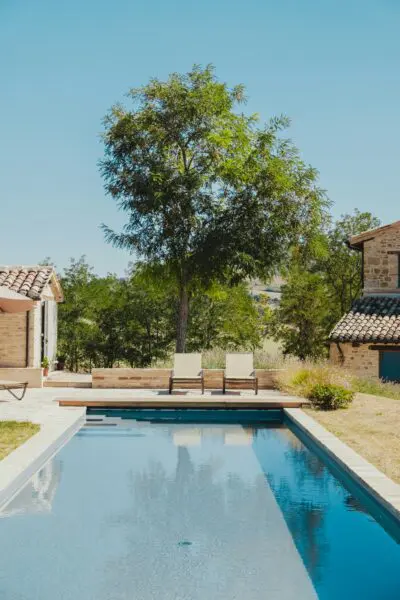
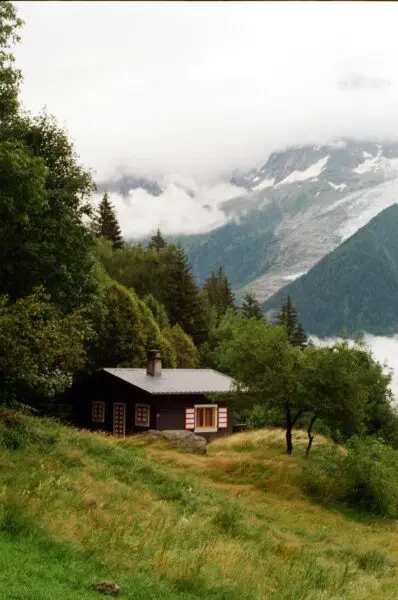
What if you approached it completely differently? Suppose you put the 200.000 euros you would otherwise spend on a holiday home into a savings account or spread it across savings deposits. Via a platform like Grape can you the savings interest rates Compare different European banks and see where your money can earn interest. You can then use that interest for your holidays.
Do you choose one deposit With a fixed interest rate, that interest remains fixed for the agreed term. This way, you know in advance how much interest you will receive, as long as you adhere to the conditions. However, keep in mind that you usually cannot simply withdraw the money prematurely.
Let's calculate with a starting amount of 200.000 euros and an interest rate of three percent per year. In this example, that yields 6.000 euros in interest per year. If you spend that amount entirely on accommodation, it comes down to approximately four holiday weeks at 1.500 euros per week, or six weeks at 1.000 euros.
So, the idea is actually very simple. You use the interest for your holidays and leave the initial capital invested. You have no maintenance, park fees, or other fixed costs associated with owning a holiday home. Taxes and other holiday expenses, such as transport and eating out, are not included. In practice, the return naturally depends on the interest rate, the terms and conditions, taxes, and inflation.
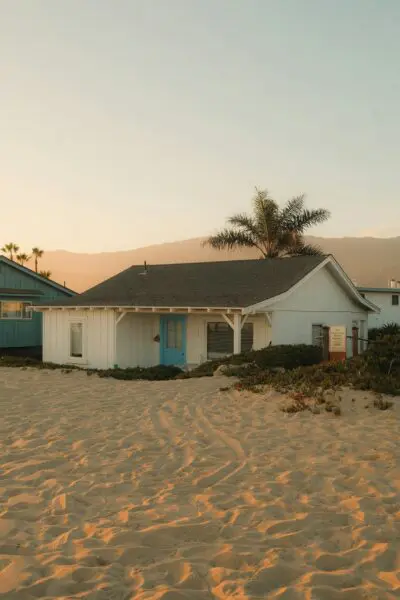
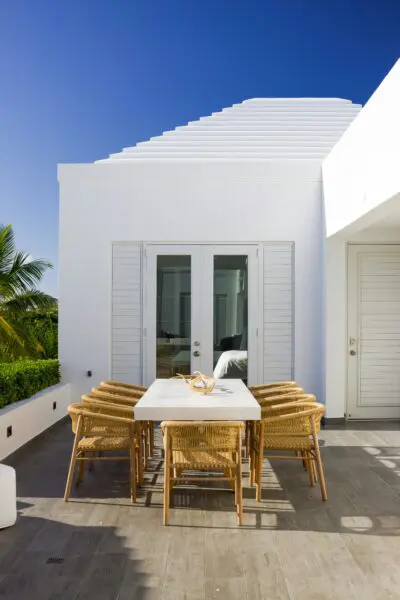
Ultimately, of course, it all comes down to what you find most important. Owning a holiday home suits you if you like having a fixed, familiar base and don't mind spending time and money on maintenance and potential rentals.
Would you rather go somewhere different every year? Then a flexible holiday budget is worth considering. One weekend a house with a sauna in the Veluwe, the next holiday a villa on the French Riviera. No fixed costs for a second home, no DIY weekends, and complete freedom to choose.
More tips
-

At Micazu, you'll find the finest holiday spots in the South of France.
-

Out and about with the family in North Yorkshire, England: Landal Woodland Lakes
-

Villa Yellowtail Finca is a beach escape on the South African coast
-

Looking to book a holiday home? At Micazu, you'll find the finest holiday destinations both at home and abroad.
-

The dream of a holiday home in Mesquer, Brittany, France
-

North York Moors Accommodation: Hotels, Holiday Homes and Lodges
-

Finca La Víspera: a hidden gem in Samaipata, Bolivia
-

Slow-living and an oasis of peace at guesthouse Âmago-Casa Lenta in the Algarve
-

Blow out on the Veluwe at Landal Coldenhove
-

The best large Airbnbs for the most enjoyable summer holiday in the Netherlands