

A new round of garden questions (April 2021 – part III)
Well, this is going well. Round three of the garden questions again. The questions keep pouring in and so do Mama Bart's answers. This week you can read general tips about your border and how to prune an olive tree (spoiler alert: sometimes there is little left). What do you put on a roof terrace and what on your sunless balcony? Our at-home gardening pro has a way or idea for everything. Our tip: grab a glass of something delicious and sip it on your outdoor patio to get some inspiration.
Missed Rounds I and II? No problem, you can read it here en here back. Can you sit in the garden with that glass a little longer?
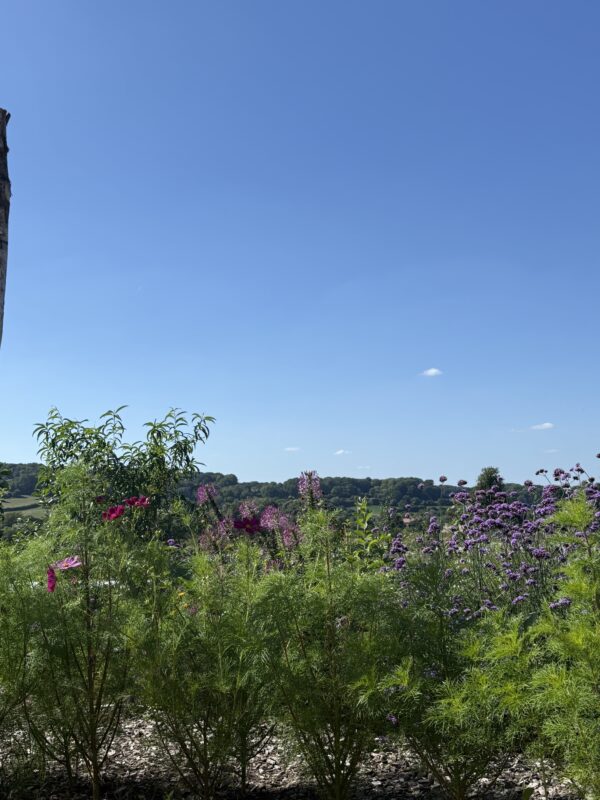
Before you randomly buy the garden center empty, think about what kind of border you want. Fur? One kind of color. This prevents you from getting a mix of plants that ultimately don't match. Also see if you can repeat the use of some plants, which will give peace to your border. Color is important, but also think about contours. Usually the tallest plants are placed at the back of the border, but if it is an airy plant, you can also place it at the front for a funny effect. Occasionally adding some ornamental grass is also recommended. In a shade border you can use many leafy plants, because flowering is disappointing in the shade. And no, don't try that sunflower. That won't make him happy and neither will you.

And now, real garden fanatics, pay attention, because I have a Latin list coming my way. Mama Bart has shared a beautiful example of combinations in a mixed border with many summer bloomers: Geranium Brooksite and Pennisetum alopecuroides Cassian in the front. Behind it you plant the Rudbeckia, Salvia and Festuca. Behind this come the Phlomis and Thermopsis caroliniana and you finish your list with Nepeta walker's low and Penstemon Digitalis. Supplement a little with ornamental grass and repeat the planting sequence.
There, and we don't want to see a boring border anymore.
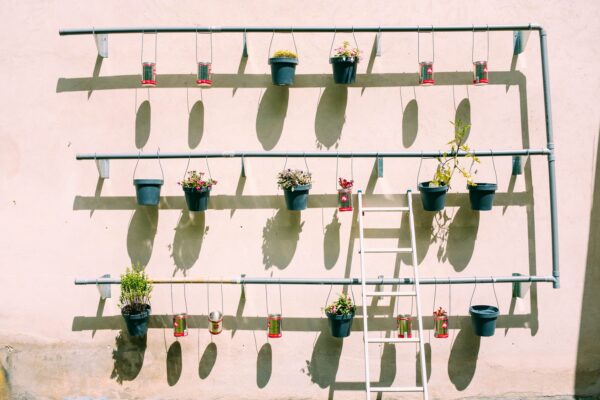
On a roof terrace you probably put most plants in pots. Handy, because you can then grow your plants indoors in a pot and when the time is right, go onto the roof terrace. They will probably remain a little smaller than if you put them in the ground. The advantage is that you can create the right conditions in a pot better than in the soil. You can choose exactly the right fertilizer for each pot, for example for fruit with a high potassium content and a low nitrogen content. Fruit grows very well in pots – there are even certain fruit trees that are actually only grown in pots. A rhododendron does best in acidic soil, so you keep all your plants happy.
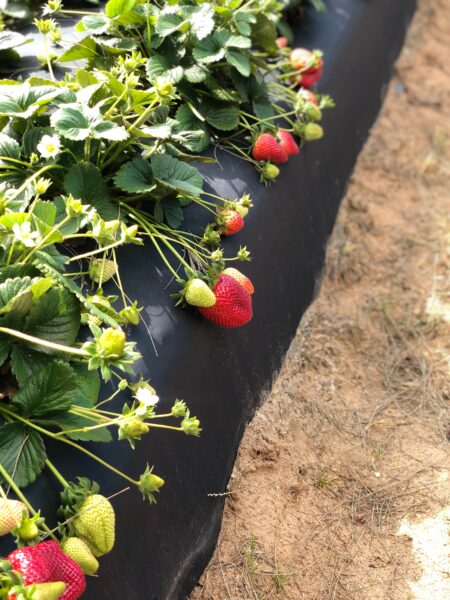
Currants, gooseberries, raspberries, blueberries (must also be grown in acidic soil), figs, stauntonia and strawberries also work very well in pots. The wind is probably a little harder on a roof terrace than on the ground, so make sure you have shelter made of reed mats or bubble wrap at hand. And in winter you use it again against frost.
Some plants that do well in a pot: Salvia, Achillea, ornamental grasses, Geranium Johnson's or Geranium Orion.
No sun does not have to be a problem if you choose foliage plants. Flowering plants will be disappointing, because without sun there will be a lot less flowering. Yellow plants are a good one, because they light up a dark corner nicely. Some foliage plants and shrubs that do well on your dark patio:
Ornamental grasses, Soleirolia, Hedera helix (ivy), Choisya ternata (yellow bush), Euphorbia (evergreen perennial), Cotoneaster lacteus (fast growing evergreen shrub), Digitalis grandiflora (evergreen perennial foxglove), Lonicera nitida (evergreen shrub), Bergenia Sunningdale, Mahonia, Iris foetidissima citrina, Jasminum nudiflorum (winter jasmine), fairy flower, white Judas penny, false poppy, ferns, panicle hydrangea and goat's beard.
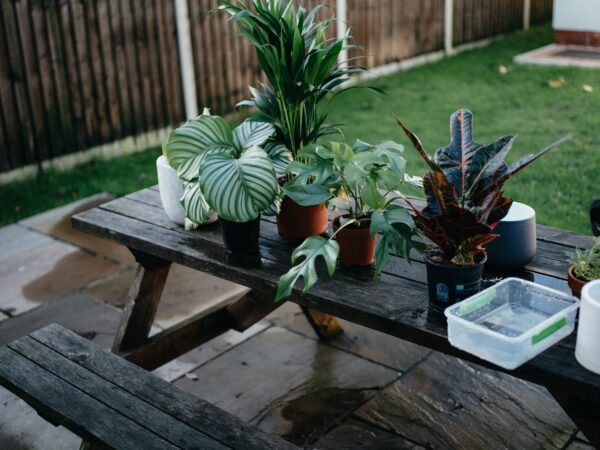
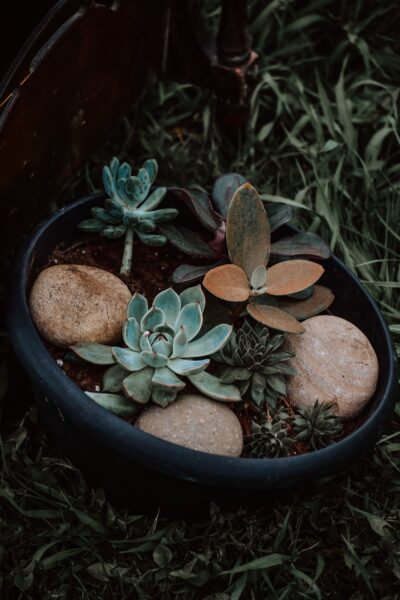
A dahlia can grow large, but this varies per species. But in the open ground it can grow up to one and a half to two meters high and at least 50 cm in diameter. So be careful if you have a stamp garden.
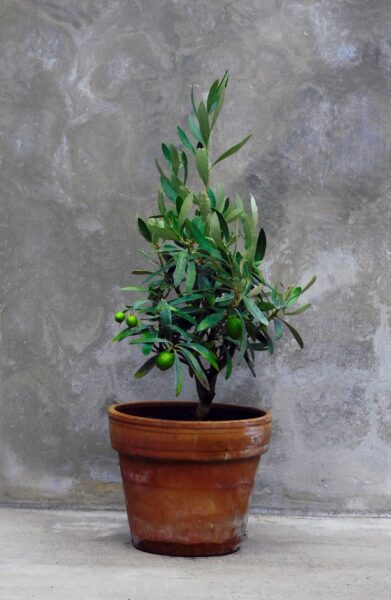
The best time to prune the olive tree is March or April, so we are still on time. Mama Bart has given an easy step-by-step explanation and if you follow it, everything should turn out fine. And don't be alarmed, sometimes you really have to trim back properly and it looks like you are left with a stick standing upright in the earth. It'll be fine, really.
1) prune the long shoots back to about 25 cm.
2) prune out all dead wood.
3) prune out any branches that have an odd shape.
4) prune away all branches that grow vertically. Olives grow on horizontal branches. So you have to keep it.
Take a few steps back and see if you like the shape and whether enough air and light can reach the crown. Yes? Then you are now done with your olive tree haircut.
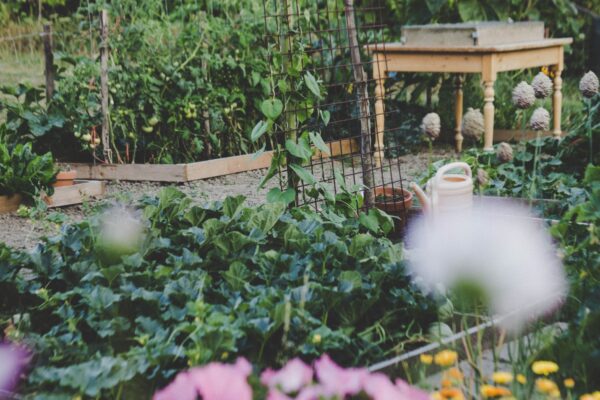
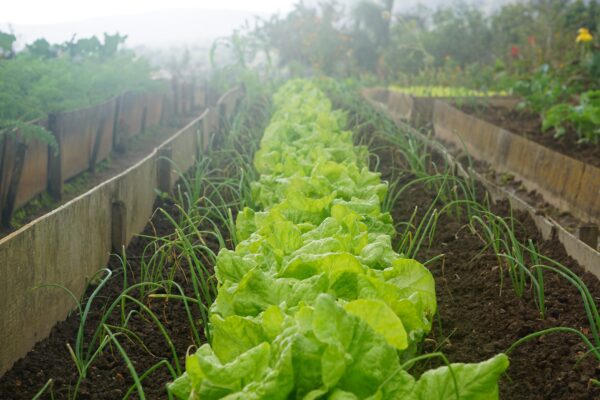
You can start a vegetable garden anywhere. Even on a balcony, because then you put the plants in pots. The more space, the more you can grow, of course, so keep that in mind before purchasing twelve types of fruit trees. Most types of vegetables want a little sun, but that doesn't have to be all day long. You start where everything begins: the soil. Pull out all the weeds and add a healthy portion of compost.
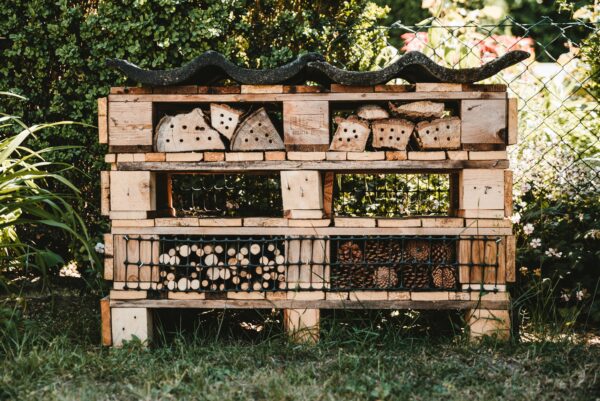
You can also grow in containers and then you can make things easier if you build them a little higher. Less bending, you know? You can make containers from old pallets or buy ready-made. You can also make one from pallets building a very sweet (and good) insect hotel. It is best if the containers are at least one square meter and at least 20 cm high, otherwise you will not have enough space for your soil and the roots of your plants. Sowing in rows is easiest - then you know where the seed is and what the weeds are. Sow thinly and not the entire bag at once, but be gentle with the baby plants.
Sounds logical, but above all sow what you like.
If you have multiple containers, alternate the cultivation (i.e. move one container every year so that the soil does not become too poor).
After peas it is best to put types of cabbage. They benefit from the residual nitrogen. Keep all types of cabbage together (arugula is also a type of cabbage!). Sow carrots and onions next to each other to reduce the problem of carrot fly. Yes, that yes.
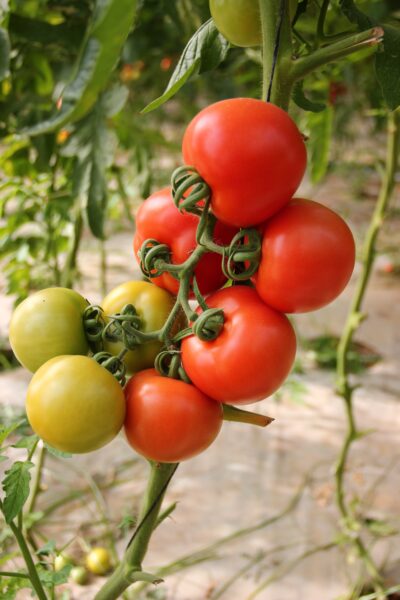
You can already sow tomatoes indoors, but you can also buy plants. Tomatoes require a lot of nutrients and space. Herbs are super easy (especially with this nice thing) and they require little space and nutrients. Spinach grows best in early spring or late summer. It cannot withstand very hot weather (yay for shady gardens).
Beans, lettuce, zucchini (only outside after mid-May), beetroot, leek, radishes and kale are very easy. But be sure to read the instructions on the back of the packaging carefully. Dear laymen, leave out cauliflower for a while, because it often fails.
It is best to buy strawberry plants just like the herbs. It saves a lot of hassle and you get much better results.
Nasturtiums and marigolds are flowers that you can eat and they are beautiful eye-catchers and soil improvers. If you have some space, be sure to sow some flowers. Bumblebees and bees are attracted to this and ensure good pollination. If they are edible flowers, you can kill two birds with one stone.
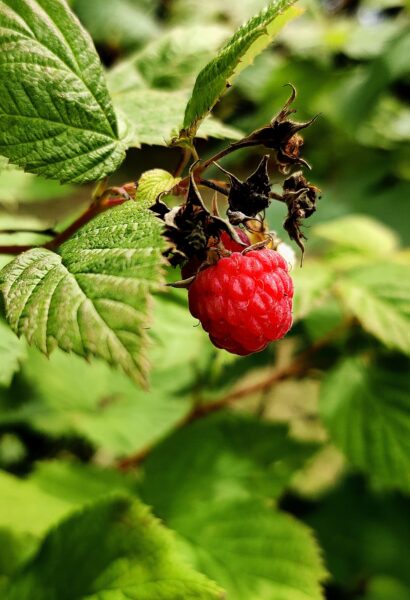
If you have space, you can plant berry bushes and raspberries. Blueberries should be planted in garden peat. You don't have problems with worms with autumn raspberries, but you do with summer raspberries. Pumpkin quickly gives good results. You can now also pre-sow at home or buy a plant after mid-May.
And the best tip of the whole series: don't despair if something doesn't work out. Better luck next season! And that happens with the best gardeners.
Now you have all kinds of tips for green, fruit and vegetables, but the stuff around it might also need an update. We also have tips for this.