


Pura Vida: the Caribbean coast of Costa Rica (+ tips!)
"Did you bring any plastic bottles?" our guide asks at San José airport. We fish one more out of our bag. Bingo! The wrong bingo, because plastic bottles go straight into the bin and we continue with a reusable water bottle. Nature conservation is a top priority in Costa Rica: animals and nature first, humans just have to adapt. Beautiful!
Pure Life You hear this all over Costa Rica, but on the Caribbean coast they take it a step further. We traveled along Costa Rica's Caribbean coast for a week, from Puerto Viejo to Tortuguero: taking a boat deep into the jungle to the Bribri, and heading to the beach in the evening to see sea turtles. These are our experiences and the tips we wish we had known beforehand.
KLM flies to San José, very chillIn the rest of Costa Rica, September and October are the rainy season, but on the Caribbean coast, those are actually the driest months.
Our itinerary: one night in San José, three nights in Puerto Viejo, one night in Limón, and two nights in Tortuguero, after which we traveled back to the airport by boat and bus. Note when booking: Costa Rica has two places called Puerto Viejo. Puerto Viejo de Sarapiquí is located in the north, Puerto Viejo de Talamanca in the southeast, and you will want to go to the latter. Tortuguero can only be reached by boat or small plane, and you don't need a car there, because they simply don't drive there. Do you have more time? Then add a few extra days in Puerto Viejo, or cross the border from there to Bocas del Toro in Panama. From Tortuguero, you can also easily drive on to the Arenal volcano near La Fortuna. This way, you combine the Caribbean coast with the interior without having to return to San José first.
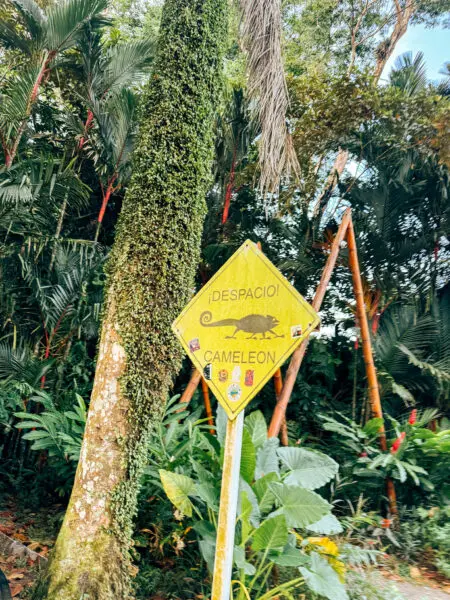
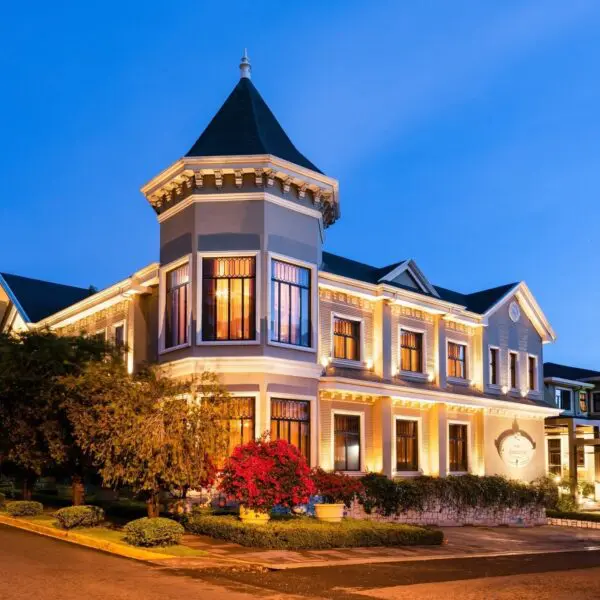
We landed at 6:20 PM and slept the first night in San José. We recommend that. Hotel Grano de Oro, a Tropical-Victorian villa from around 1910, right off the Paseo Colón and within walking distance of the center. The rooms are arranged around courtyards, patios, and gardens: the vacation is in full swing. The Grano de Oro restaurant is a delight, featuring French technique, Costa Rican ingredients, and a wine cellar that has already won quite a few awards. Furthermore, we wouldn't linger too long in San José, as the best places in the country are located outside the capital.
So the next morning we were in the car, for a drive of about four hours to the Viejo. On the way, our guide Edgar told us about the Panamericana: at about 30.000 kilometers, the longest road in America. Halfway there, it started pouring and sounded Have You Ever Seen the Rain by the bus. Appropriate, although it remained the only shower of the entire trip. We were in the mood for rice with beans in coconut milk, wildlife and sun, and that is what we got. The first wildlife It didn't take long: a sloth, in a tree along the road. We're here!
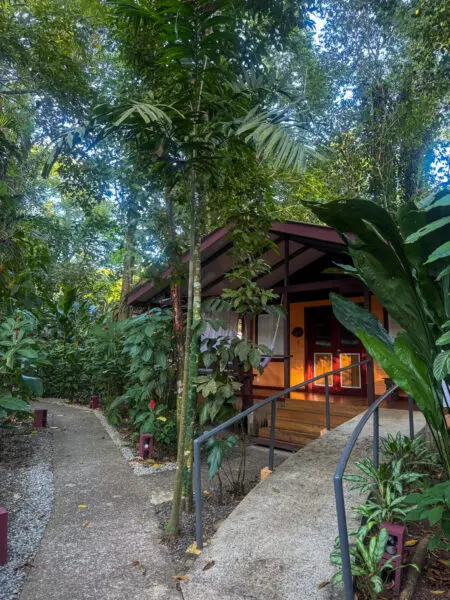
Puerto Viejo is a surf village on the Caribbean coast of Costa Rica, where they take nature just as seriously as the waves. Laidback, but lively, and completely different from the Pacific side of the country. The finest hotels in Puerto Viejo are located along the coastal road towards Manzanillo, near Playa Cocles, Playa Chiquita, and Punta Uva. We slept in Namuwoki Lodge in Playa Chiquita, a few kilometers outside the village, and that was very nice. The seventeen bungalows and villas of Namuwoki are scattered throughout a tropical garden, and they cut down no trees during construction: you literally sleep among the greenery.
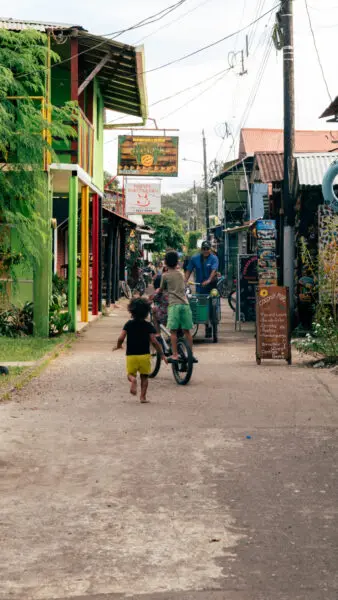
And you can hear it. It is five o'clock in the morning, and for an hour now it has sounded as if a lion is standing in front of our lodge. They turn out to be howler monkeys, howler monkeys, a lot smaller than their roaring suggests. No shortage of compensatory behavior. So, high time for a morning walk on the beach, a ten-minute walk away. Namuwoki's restaurant serves Caribbean cuisine with a Spanish twist, breakfast is included in the price, and we were also fans of the souvenir shop and the coconut. on arrivalRent a bike, just like the rest of the village, and you'll be in the center of Puerto Viejo in fifteen minutes.
On our list for next time are three more hotels on the same coast. The Chameleon The one at Playa Cocles is the largest, with 51 rooms, seven suites with sea views, three private villas, and a pool with a Jacuzzi hidden in the jungle; thanks to the villas, it also works for families. Hotel Aguas Claras, between Punta Cocles and Playa Chiquita, is the colorful alternative: every bungalow is decorated differently, featuring work by local artists, and at DaLime Beach Club you can enjoy your cocktail with a view of the sea. Traveling without children? awā Beachfront Hotel Playa Cocles is adults-only, with eight suites in a beautiful seaside house. Sloth mode is best done there. Also a top spot for the remote workers Between us, by the way.
You can find all our addresses for eating, drinking, sleeping, and things to do in our tips for Puerto Viejo
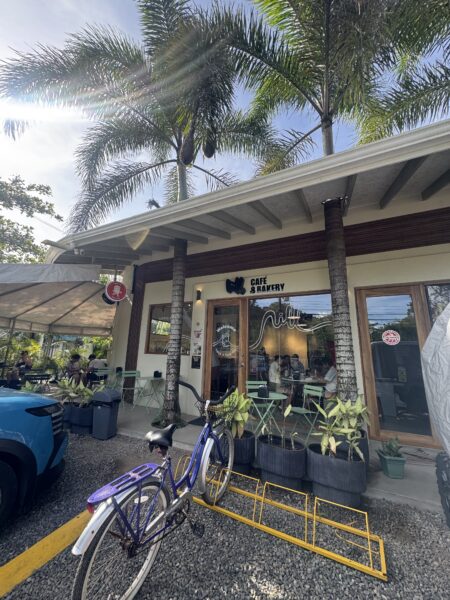
When you are by the sea, you want to get out on the water. So, off to Manzanillo (a little over an hour's drive from Puert Viejo) for a boat trip along the coast in search of dolphins. Fun fact: the boat trip relies on tips. The Gandoca-Manzanillo Wildlife Refuge is a wildlife refuge and not a national park, which allows local boatmen to keep prices low; in the national parks, you pay considerably more. Afterwards, we walked through the reserve with a guide. He pointed out fruits that aid digestion, and the noni also came up, nicknamed cheese fruit because it smells like overripe cheese. Yuck.
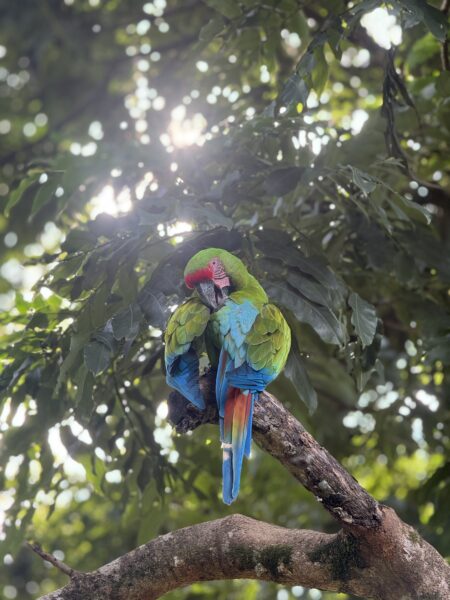
In the afternoon we went to Ara Manzanillo, a project that is bringing the critically endangered great green macaw back into the wild. The bird once disappeared from this area completely due to deforestation and the exotic pet trade. By now, the macaws are flying freely again in the area around Puerto Viejo, and during your visit, you will see them right above your head. Bird droppings at your own risk.
Do you spot pan bon anywhere, the dark, spicy sweet bread from the Caribbean coast with melted sugar and cheese? Grab it.
The highlight of the trip, for us at least: taking a boat deep into the jungle to the Bribri, an indigenous community in the rainforest near the border with Panama. You sail for an hour or an hour and a half on the Yorkín River in a narrow boat that the Bribri make themselves from a tree trunk. It sometimes felt a bit like rafting. They only cut down that tree during a new moon. If you don't respect the moon, your boat sinks.
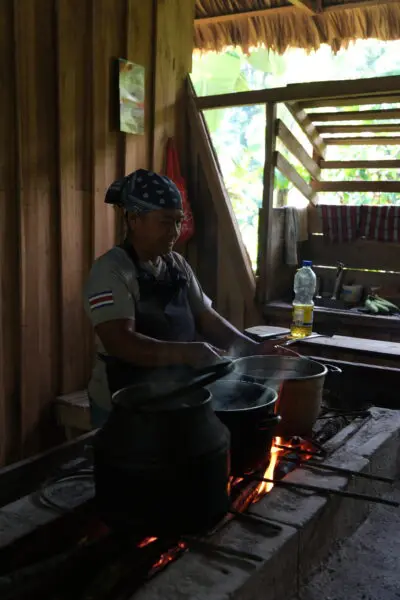
In Yorkín, the women of Stibrawpa You. This organization of Bribri women has been dedicated to their community, their culture, and their own income since 1992. They grow bananas and cocoa. Food is the warm heart of everything here, so you go into the kitchen first, and only then are you allowed to do the rest. We ground cocoa by hand and ate a lunch according to Bribri tradition. That cocoa travels further than you think, by the way: Stibrawpa exports to Switzerland and Italy. Count on a full day, and bring shoes that can get wet.
After a few days in the south, we headed north by boat along the canals to Tortuguero. The village lies on a narrow strip of sand between river and sea, and everything happens by boat here. A really cool place!
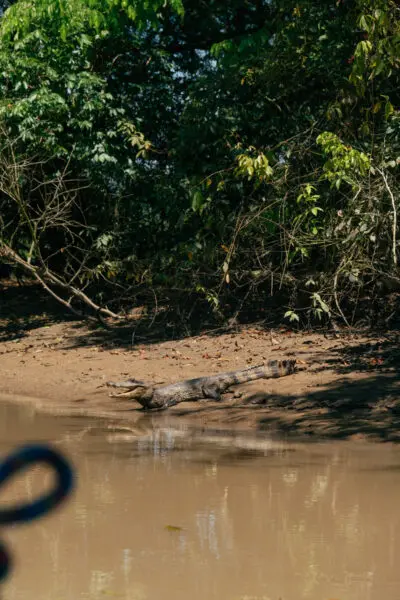
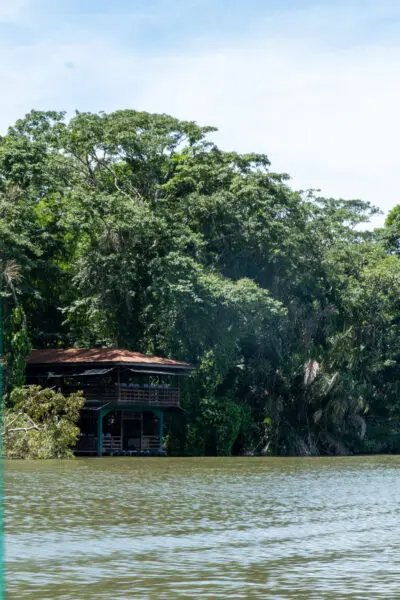
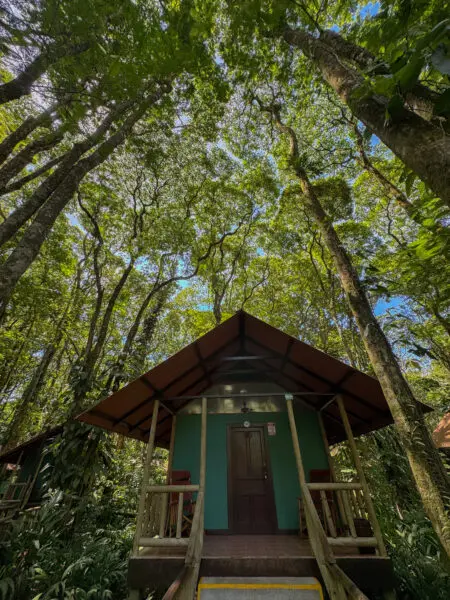
It is 05:00 AM; an hour ago, the feeling that a lion was standing at the cottage jumped on me. They turn out to be holamonkeys. Not even thirty centimeters long, but they certainly exhibit compensatory behavior for the roaring. We slept two nights in Evergreen Lodge, Between the river and the rainforest, a few minutes' boat ride from the village. The wooden cabins stand on stilts in the jungle, and the lodge arranges a significant portion of the tours itself. That proved convenient: coffee was ready at 5:30, and by 5:45 we were in the boat for a sunrise trip through the canals. In the silence of the morning, you see herons, caimans, and monkeys before the rest of Tortuguero is awake. In the afternoon, we opted for a kayak trip. Along the way, we were also given an explanation of the toucan. Our guide called him the Kill Bill of the jungle because he eats everything, including the eggs and chicks of other birds. I have never looked at a toucan again without that image.
In the village itself, you can visit the visitor center of the Sea Turtle Conservancy. Four species of sea turtles come ashore on the beaches of Tortuguero: the green sea turtle, the leatherback turtle, the hawksbill turtle, and very occasionally the loggerhead turtle. Tortuguero has the largest breeding population of green sea turtles in the world. The museum is small, but that same evening we walked onto the beach with a guide for a nesting tour. One of the most special experiences we have ever had; it is incredibly beautiful to see a female turtle come onto the beach, lay eggs, and make the journey back. We were even a little moved.
On our last evening, we dined at La Katonga, the floating restaurant at Mawamba Lodge that actually sails down the river while you eat. There are only six tables, for a maximum of 24 guests, so reservations are a must. The chef serves a four-course menu that changes with the season and the market of the day. You float along the canals for about two hours with the jungle in the background. Expect to pay around 70 dollars per person, excluding drinks. It goes ahead even in the rain, which is certainly not an unnecessary luxury on this coast.mawamba.com/katonga
You can only reach Tortuguero by boat or small plane: we sailed for about three hours from the port of Moín near Limón, and departed via Caño Blanco towards San José. You don't need a car in Tortuguero; there simply aren't any on the road and everything goes by water taxi—fun!
More tips
-
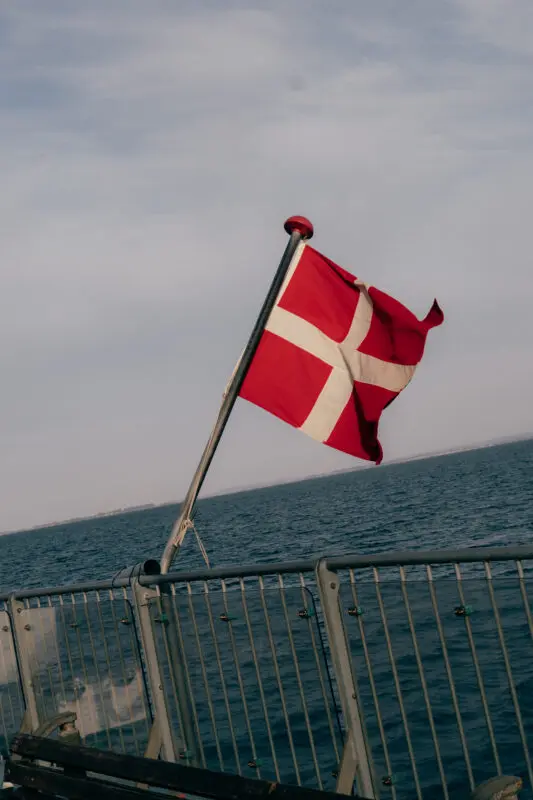
Tips for Kystlandet: the Denmark you want to know
-
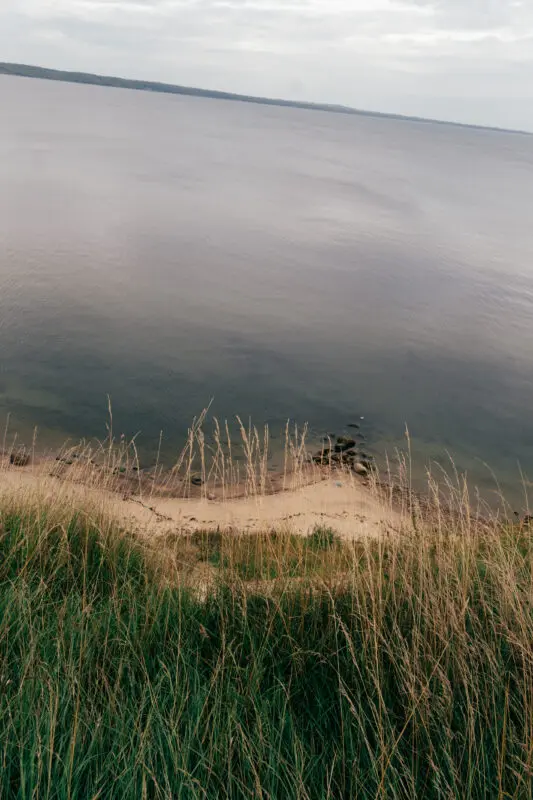
Tips for the Heart of Jutland (Trekantområdet), Denmark
-
Sønderjylland in Denmark is within driving distance of the Netherlands and is surprisingly fun!
-

Wander Island Vinkeveen
-

Hiking in and around Cape Town: our tips
-

Opfriesen: to recharge, Friesland style
-

Malawi is Africa's best-preserved safari and tropical destination.
-

All together in nature: our favorite Dutch sleeping places in the middle of the greenery
-

Het Roode Koper Estate (a Relais & Chateaux)
-

Hiking Mount Everest Base Camp: The Ultimate Hike – Part 1, the preparation