


The island made for hiking: Santo Antão, Cape Verde
No highways through the mountains, no all-inclusive resorts, just dusty donkey trails, cliffs that plunge into the ocean and valleys where the jungle almost explodes from the ground. Santo Antão is the roughest and greenest island of Cape Verde. You won't be welcome here without hiking boots, because this island is made for hiking. The only question is: which route do you choose? Here are the four most beautiful hikes that you absolutely want to put on your list.
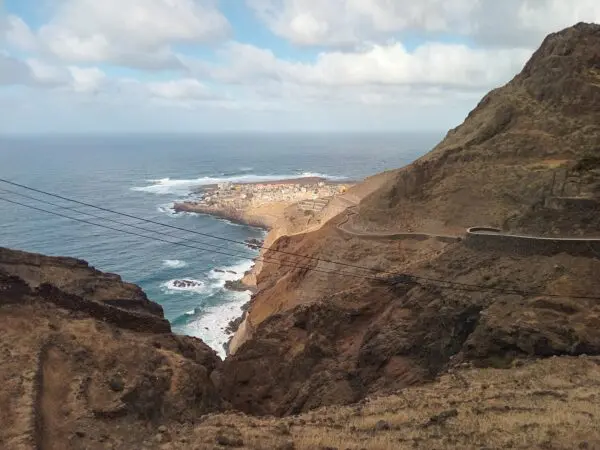
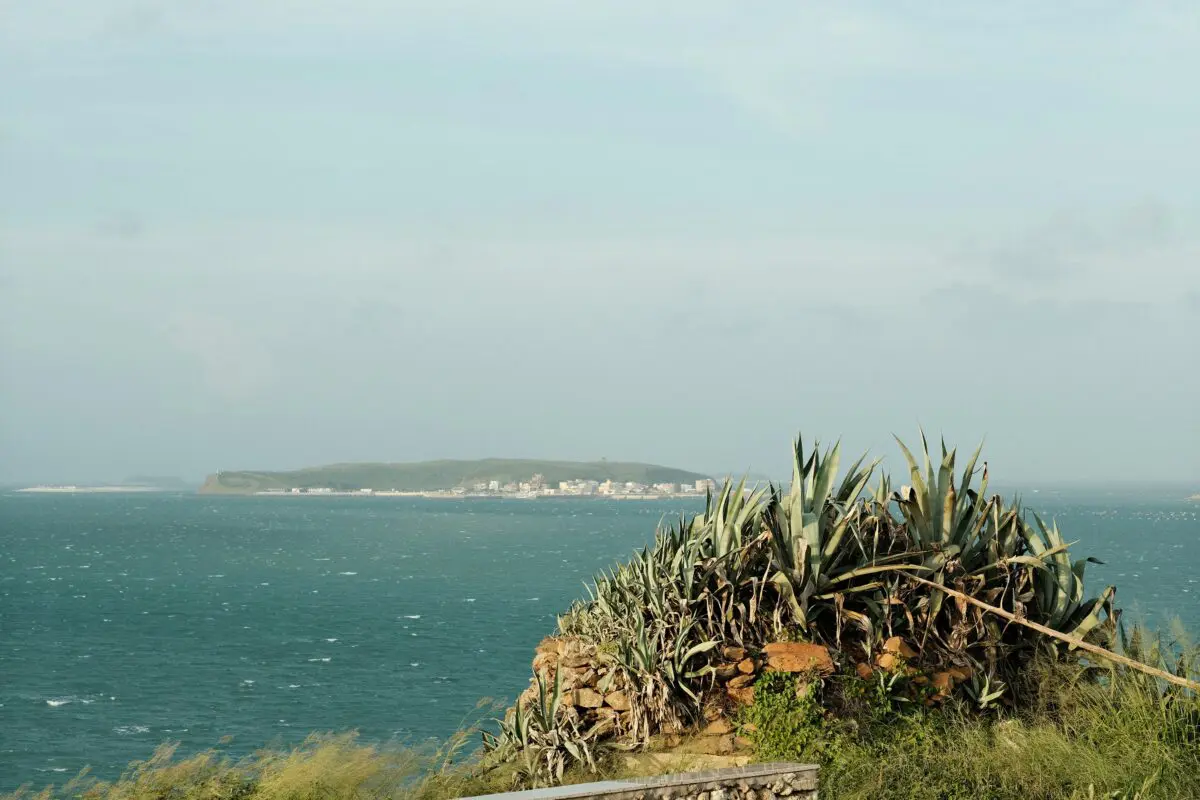
This is one of the most famous hikes of the island – and rightly so. Along the north coast, high above the Atlantic Ocean, on a path once used by traders and farmers with their donkeys. Steep cliffs, rugged rock formations and an ocean that pounds hard against the coastline.
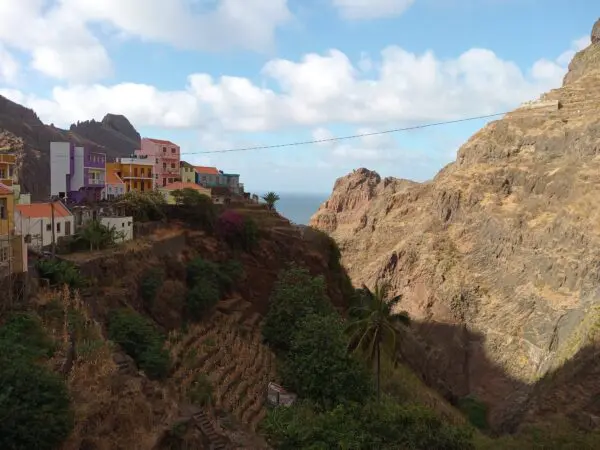
Halfway you walk through Fontainhas, a mini-village located somewhere between the mountains and the abyss: brightly colored houses that almost seem to fall off the rocks, while locals quietly doing their thing. A beautiful spot for a photo – and then to walk on to the end point Ponta do Sol. The walk is easy and takes about four to five hours, depending on how often you stop and how quickly you walk up and down the paths.
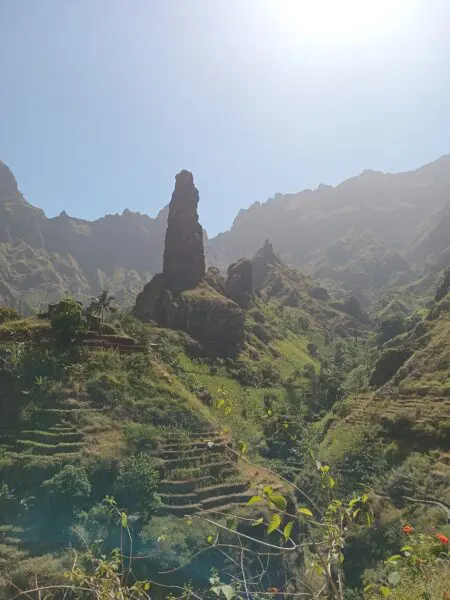
Most people walk this route down from the crater, but if you want a bit more of a challenge, you can do it the other way around. The climb up is tough, but the views get better with every step. Plus, you avoid sliding down on loose rocks – pretty handy if you don’t want to slit your legs.
Starting point is Xoxo, a green valley full of sugar cane and banana plantations. Along the way you pass villages where locals greet you with a mix of curiosity and politeness. And if you know where to look, you can take a dip in a hidden waterfall that almost no one knows about. Ask a local the road and you'll probably have it all to yourself.
The disadvantage of walking this route the other way around? The walk is a bit harder, because you climb instead of descending. But most importantly: coming back is sometimes a challenge. From the Cova crater it is difficult to get a rent (local taxi) or ride. So arrange that in advance, otherwise you won't have one adventure, but two.
Twelve points for the hike right through the green Paúl Valley – an explosion of green: sugar cane, mango and papaya trees, coffee plantations – it all grows here. The path winds past terraced fields and small villages where locals grow their own grogue (sugar cane rum). Just ask nicely and you may taste a sip of their brew.
Prefer something without alcohol? No trendy cafes or Juice bars, but simple houses and small shops where they sell homemade fruit juices – think papaya or mango juice. Especially at Casa Maracuja you can often stop for a refreshing drink, and in the village of Cha de Manuel dos Santos there are also a few places where locals offer drinks. That's nice, because the hike is secretly a light assault on your calves.
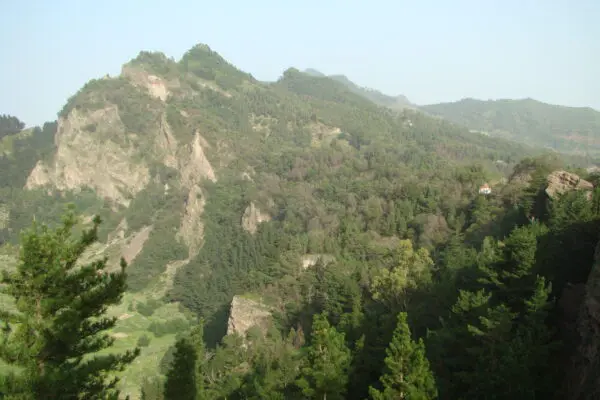
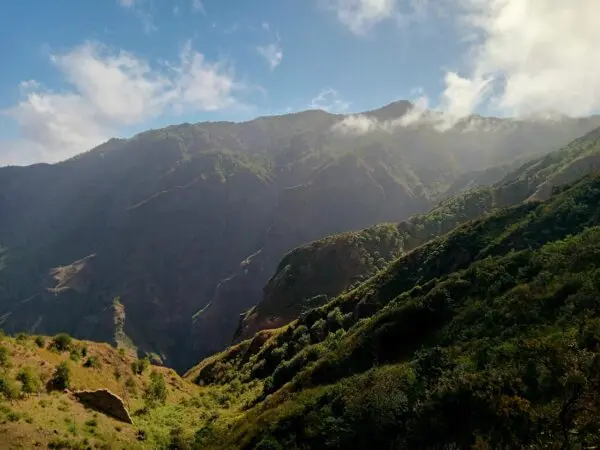
If you are willing to get up early and get a little cold – as far as kou in Cape Verde exists – to brave, here you get a view that you will not soon forget. The hike to Pico da Cruz starts in the dark and takes you through a pine forest. Yes, really, that exists on this volcanic island.
The reward awaits you at the top: as soon as the sun rises, you will see a sea of clouds, with the peaks of Santo Antão sticking out like islands above it. A view that you will U says, without hordes of tourists or other distractions.
More tips
-
The most beautiful sights on São Nicolau, Cape Verde
-
Great places to eat in the hiking paradise of Santo Antão
-
Boa Vista Cape Verde is more than just beaches: from sharks to shipwrecks to bumpy roads
-
Sal, Cape Verde: From soulful live music to turtles in the moonlight
-
ROYAL Horizon Ponta Sino on Sal in Cape Verde is a great place to stay
-
These are the most beautiful Africa trips for 2026
-
You won't be able to get lost on these beaches of Boa Vista
-
Boa Vista on your plate: the best restaurants in and around Sal Rei
-

Botswana and Namibia Tour: The Best Itinerary for Three (to Four) Weeks
-
From lunch, good coffee and bookshops – places to visit in Praia on Santiago, Cape Verde