


Tips from the pros for aspiring travel photographers, thanks to Nikon photographer Russell Pearson
Traveling is of course wonderful, we don't have to explain that to anyone. Whether you choose active or ultimate chill travel; getting away for a while does wonders. And how nice are the memories? Secretly the most fun. That one flashbacks which you can then talk about for hours. Besides the fact that taking beautiful snapshots is a nice hobby, you can also make a job of it. Who knows, you might start your career as travel photographer. Could just be. But where do you start? What is the best camera? What are the tricks of the trade?
Let's find the perfect pro who can explain to us in detail the best tips for starting travel photographers: Nikon photographer Russell Pearson. Take it away!
(want to know more about Russell? Yes please! Then check out his work immediately here)
Let's introduce Russell Pearson. First there was Russell's passion for travel and exploring new places, which led to his love for photography – a piece of cake. He tries to challenge himself and capture images that are slightly different from 'the rest'. His work has been published in the National Geographic calendar and the BBC Earth website, among others.
What do you want to know as a starting travel photographer?
Well… What do you want to know as a starting travel photographer? Actually everything. Good news, Russell is taking you. So let's start at the beginning. Because what do you want to do with the photos? What are your goals and themes? Find that out first. Define your interest and focus. Do you want to capture cultural aspects, explore landscapes or shoot portraits? How important do you think quality is? How much weight can and do you want to take with you?
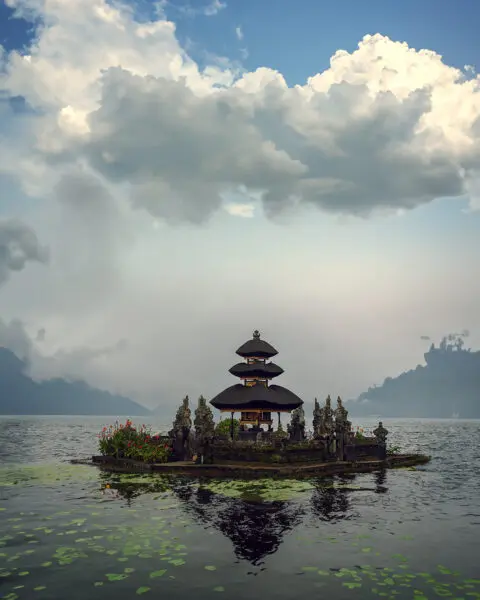
What you choose translates into the equipment you buy, which camera and which lens depends on what you want to photograph. Also important are the composition rules, such as rule of thirds, framing and the use of lines to create compelling images. In addition, always be aware and respectful of the local culture and population, ask permission and respect local customs.
A good camera to start with is, for example, the Nikon Z fc or Nikon Z 5. What is important to me is how a camera feels in your hands, and that it is not too heavy for travel. I've been working with for years Nikon and that is very familiar to me. If you are really serious about travel photography, the Nikon Z 8 is highly recommended. If this is just above your budget, then the Nikon Z 7II or Nikon Z 6II both an excellent choice.
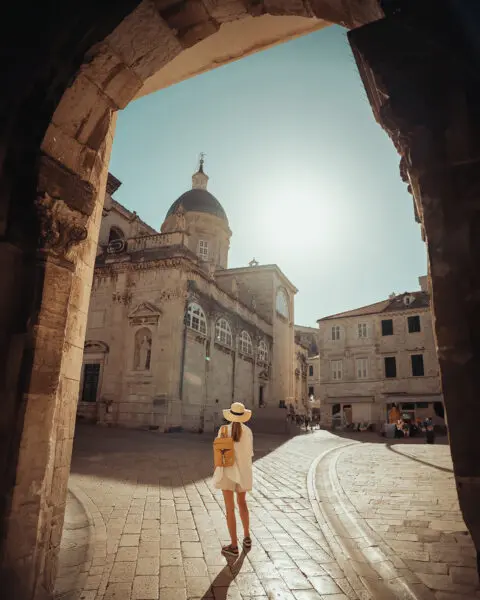
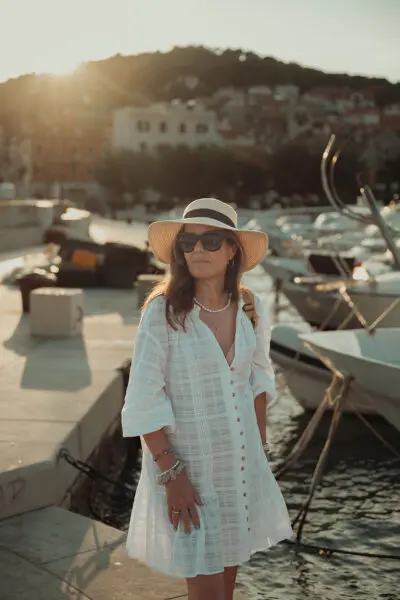
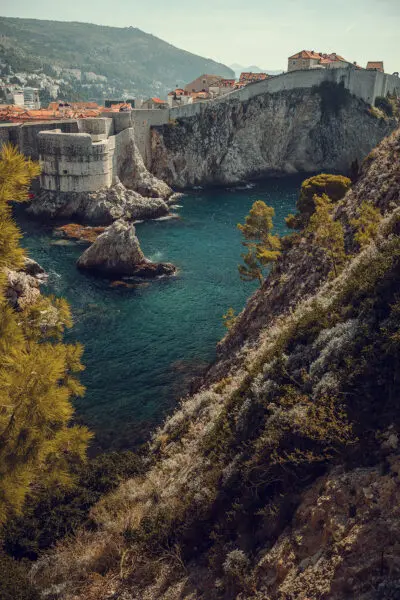
Nowadays – with today's cameras – you can immediately see (in the camera) what your settings do on a photo. Backlight is very beautiful, especially in travel photography, but also difficult. If you want the foreground to be well exposed, then the highlights of the sun with backlight will be just too much... I usually use bracketing in camera: one photo for the sky, one for the mid-ground, and one for the foreground, and then merge in Photoshop so that it is a perfectly exposed photo. Just a trick, yes, but you can learn it! Or you can choose to have the background overexposed so that the image is slightly more glow has. What you find beautiful.
To ensure that photos remain of high quality when you post them as stories or posts Instagram it is important to ensure that the original image has a good resolution. Also avoid using compression when doing it upload, as this may reduce quality. However, platforms like Instagram can automatically apply compression, so you can experiment with different settings and sizes to get the best results.
I always shoot in RAW and in the highest quality, no editing is applied here, in Adobe RAW and Photoshop can i get my highlights en shadows retrieve it again and, if necessary, sharpen it or adjust the colors. I personally think that editing is a bit too much the icing on the cake is. Makes a beautiful photo even better. So I always use Adobe RAW for initial light/color editing and then I finish it in Photoshop with small tweaks. What you could also do is use a filter in Lightroom that suits your taste and style.
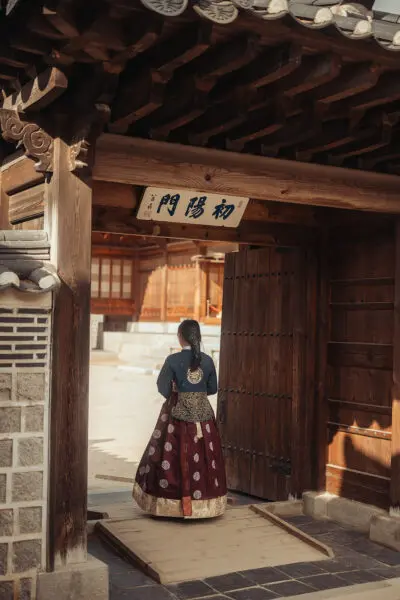
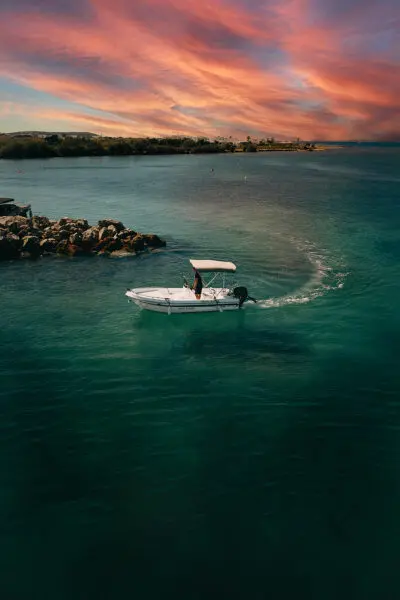
Although the most important tip remains: practice, practice and practice again. Don't try to edit a photo too much, just make it look natural: subtle adjustments are often best.
Play with your exposure, contrast and saturation but be careful not to make it look unnatural. The same goes for sharpening photos, too much can cause artifacts.
Of course you can also follow a workshop. It's best to see if there's something nearby where you can learn more about the basic settings of your camera, and things like ISO, aperture, shutter speed and composition. You can then use this information to find your own taste and style. Create don't copy.
I usually take mine NIKKOR 24-70mm 2.8 en 50mm 1.8 along, sometimes a NIKKOR 70-200 or 14-24mm (all from Nikon), but this completely depends on what and where I shoot… Again: practice, practice, practice.
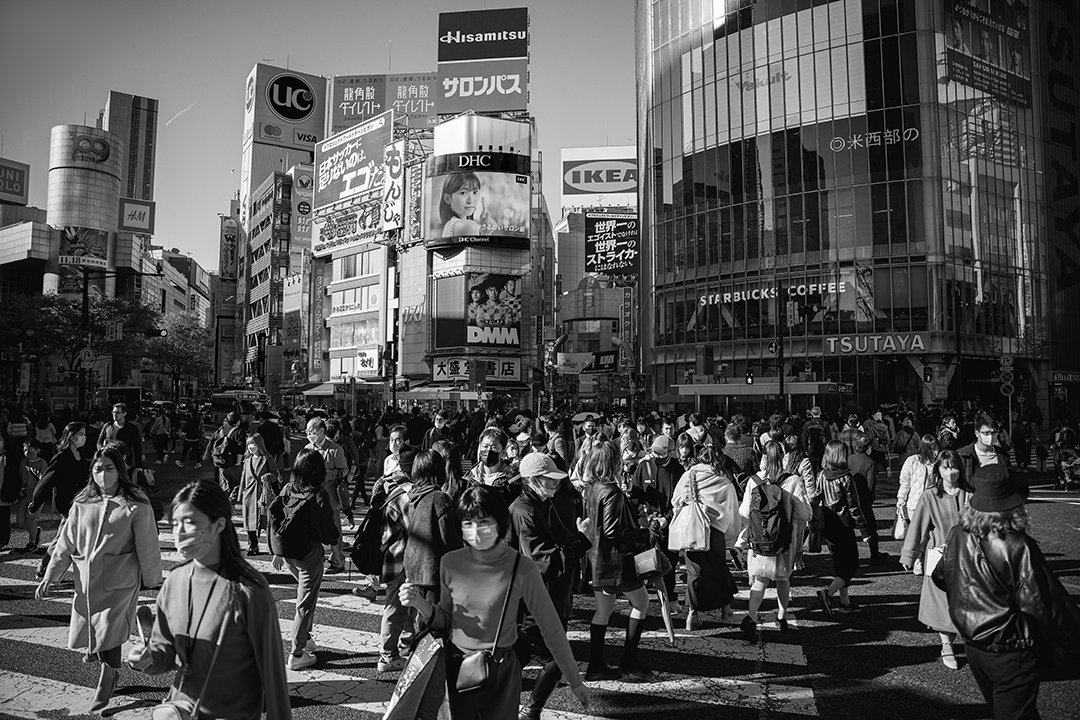
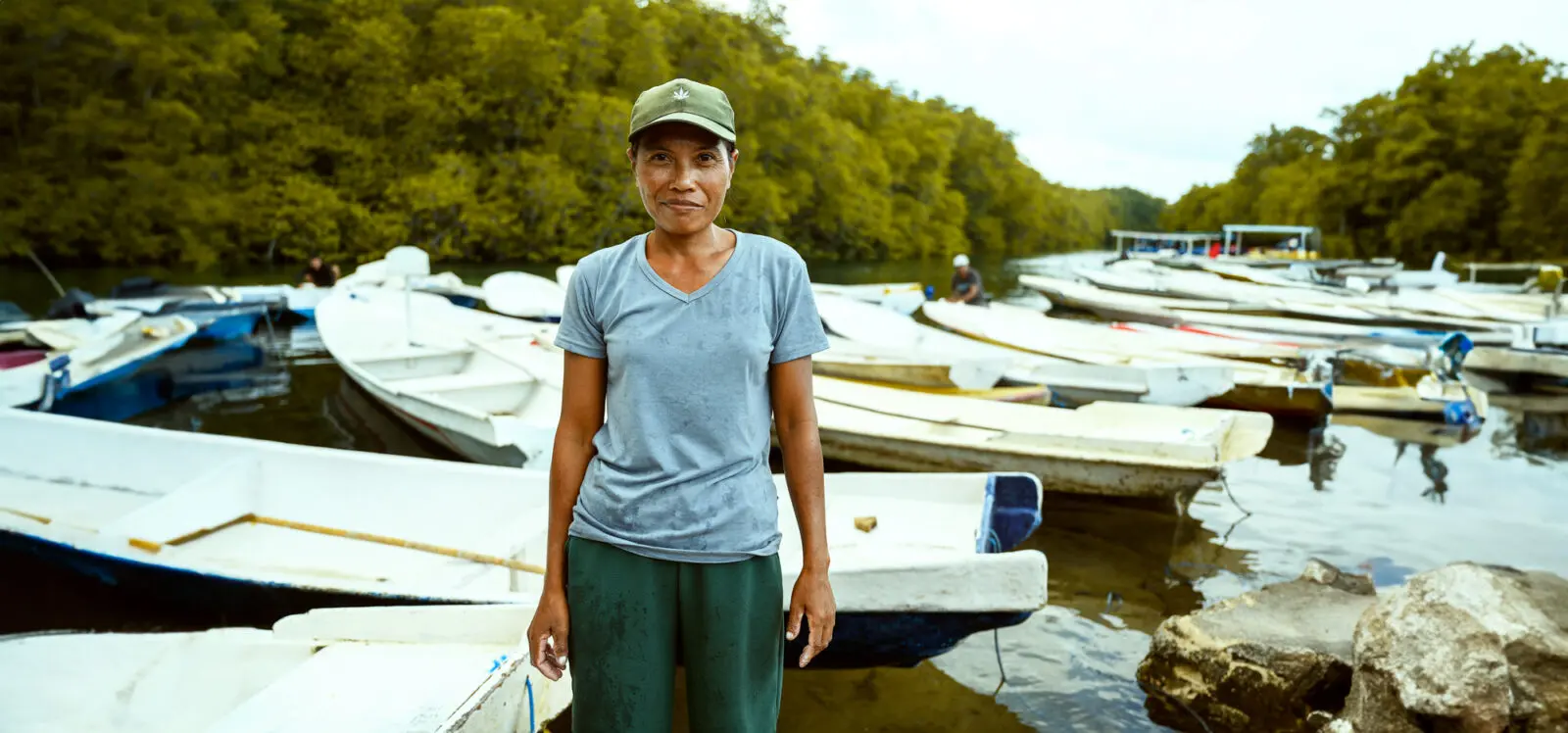
1.Record interaction. Photograph people talking, laughing, or going about their daily activities. This brings naturalness to your photos.
2.Use a wide angle lens. This allows you to capture more of the environment and add context to your portraits.
3.Focus on details. Zoom in on interesting details such as hands, eyes, or clothing. This can tell a story and engage the viewer.
4. Make use of the environment. Use the environment creatively in your compositions. Allow people to blend in with the architecture or natural elements to create an interesting image.
5.Ask for permission! If you photograph people directly, ask for permission. This shows respect for your subjects and can result in more relaxed photos. Remember that it is important to be respectful when photographing people and their cultures. Listen to stories, make connections and be aware of local customs. This will help you take authentic and respectful photos.
6.Go to eye level for a more intimate portrait.
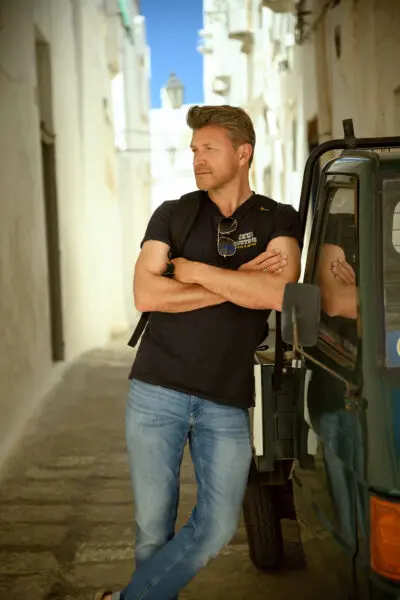
7.Candid shots. Photograph people while they are unaware of the camera. This can lead to spontaneous and authentic moments.
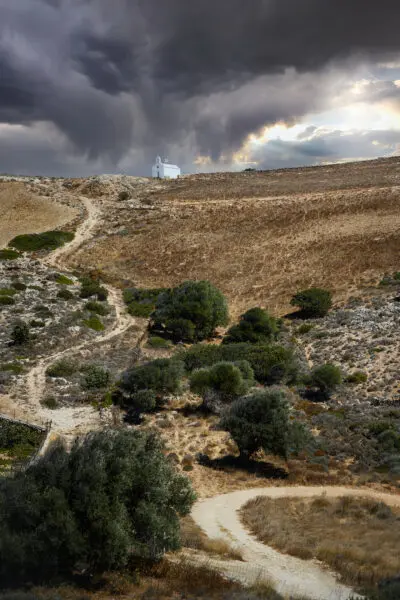
1.Get to know your equipment! Learn about lighting, composition and focus.
2. Build a portfolio. Start taking photos, and build a portfolio that reflects your style.
3.Study other photographers. Look critically at other travel photographers and their techniques.
4.Use Social Media. Share your work on platforms such as Instagram or Facebook where you can also receive feedback and make yourself visible.
5.Travel local! You don't always have to go to a faraway destination to take interesting photos.
6. Learn from mistakes. Don't be afraid to experiment and make mistakes, it's part of the process!
More tips
-
Barts Best Of: Bonaire: the best places to stay and the best restaurants
-

The best of Formentera, the ultimate list
-

Maison Le Chevreuil: the newest (and most beautiful) addition to French Meursault
-
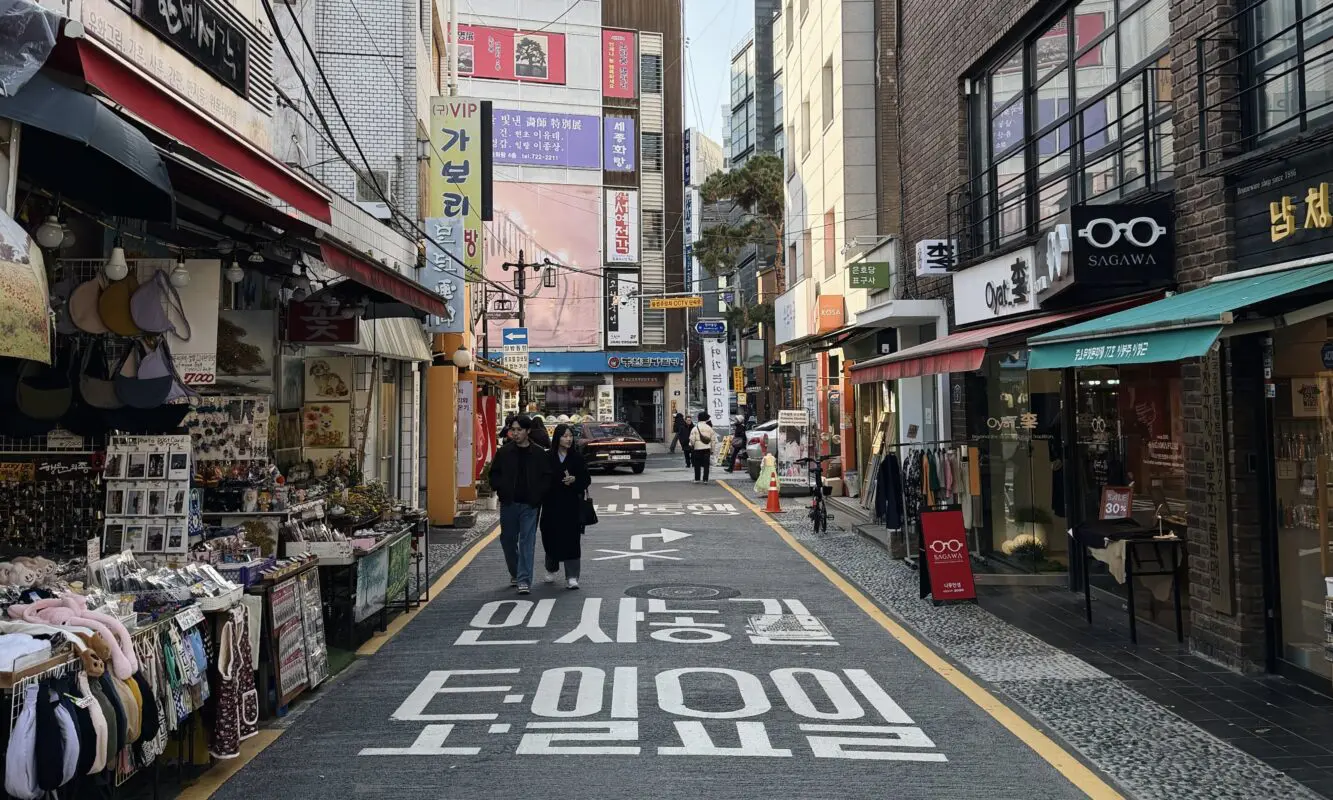
Bart's Best of: City Trip to Seoul
-
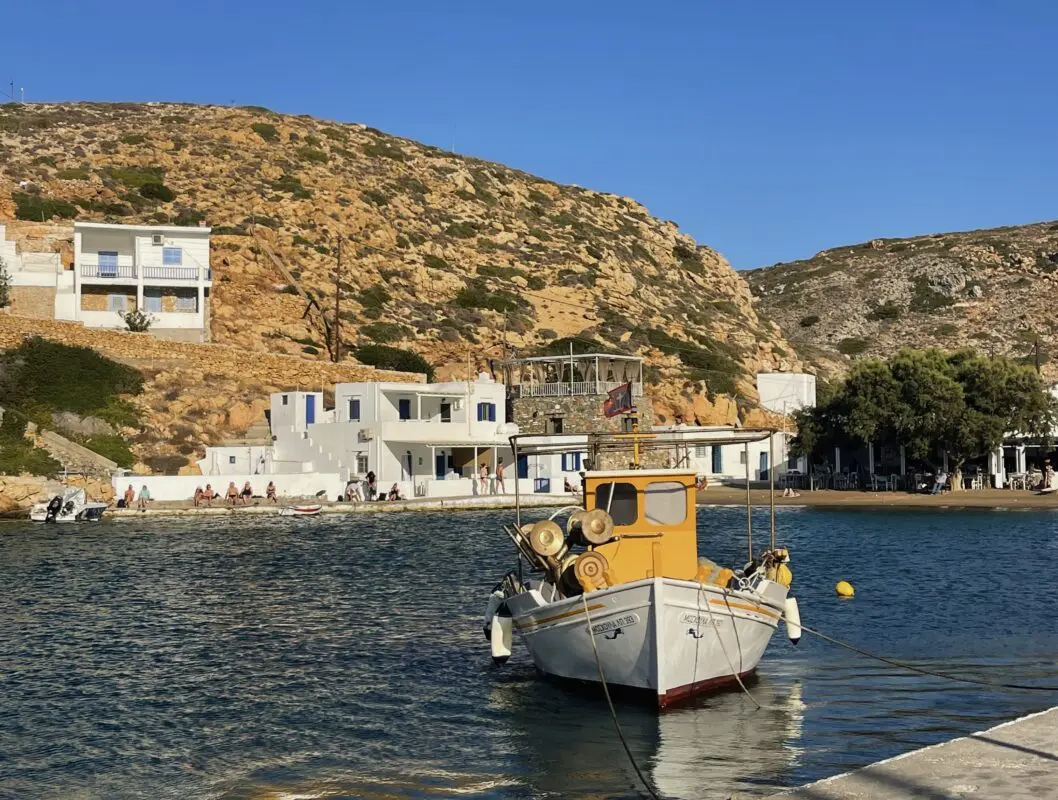
The most beautiful beaches of Sifnos, Greece
-
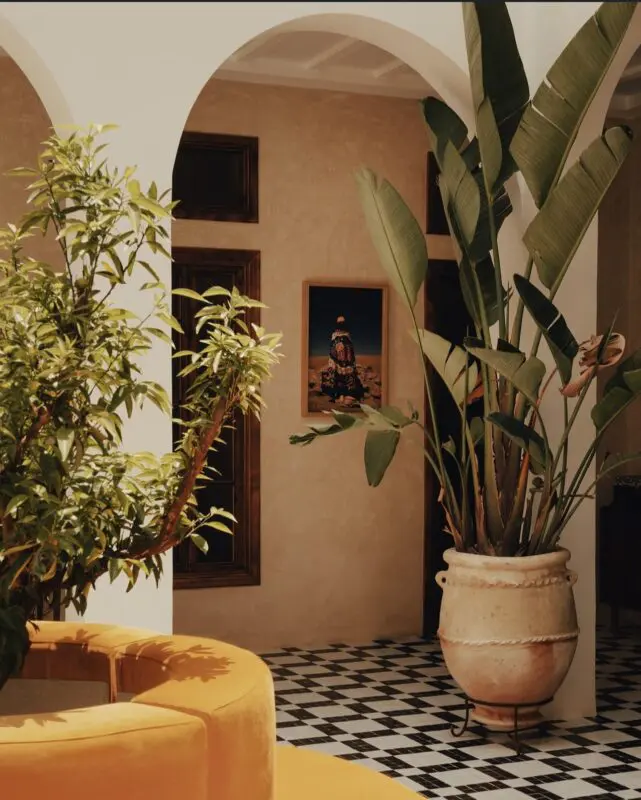
Mellah in Marrakech is an intimate hotel with a rooftop pool in the medina
-
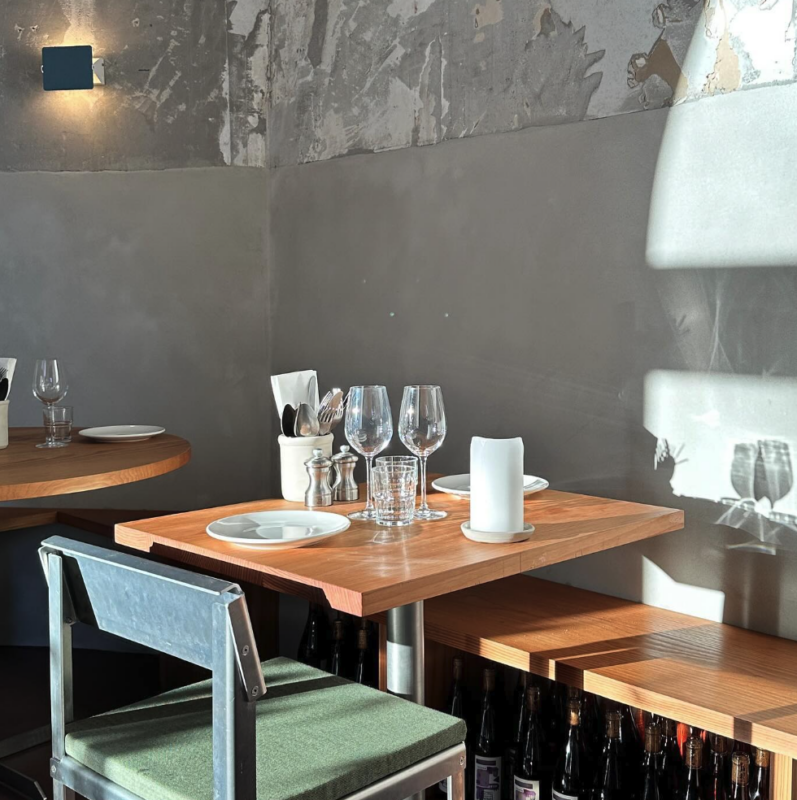
Delicious dining in Copenhagen at Cleo
-
The ins and outs of your favorite sunscreen
-
Sleep (and so much more) at Wolterton Park, England
-
Solo tripping: the gift to yourself