


Japan Vacation Itinerary: Two to Four Week Travel Guide
Instagram, TikTok and other social media channels are full of the skylines during holidays in Japan, the bike rides with a view of Mount Fuji, sushi from the conveyor belt, temples and other shrines. A holiday to Japan is more popular than ever. And we happily join in, because man oh man it is wonderful. You hop from one thing to another in this country of contrasts, where tradition and modernity go hand in hand.
But Japan is also a maze of possibilities. That's why we've mapped out a travel route for a holiday to Japan for 2 to 3 weeks of fun.
With that maze in mind, we tackle the biggest cities, the most beautiful nature and the activities that you should not miss in our brand new ebook. From the modern and vibrant Tokyo to the historical sides of Kyoto, from the peaks of Mount Fuji to the serene traditional Japanese gardens. And we also take a look at the islands of Japan. The most comprehensive itinerary for a Japan holiday can be found in our complete travel guide of two to four weeks. Available in the shop.
For a first visit to Japan, and with two to three weeks of travel time, it is wise to use Tokyo and Kyoto as a starting point, where you can spend three to five days each. Around these destinations you can go in all directions with day trips and extensions. Pick your battles.
Tokyo is often the starting and ending point of the journey. Modern, hip, traditional and the longer the better. From here you make a day trip to Nikko, Mount Fuji and possibly Kamakura or Yokohama.
Sleeping wing
Hotel Graphy Nezu is ideal for a short stay for those who want to sleep and cook. There are dormitories, but the private rooms are great. Yuen Bettei Deita is a ryokan-style hotel with an onsen in one of Tokyo's coolest neighborhoods (Shimokitazawa).
Neighborhoods
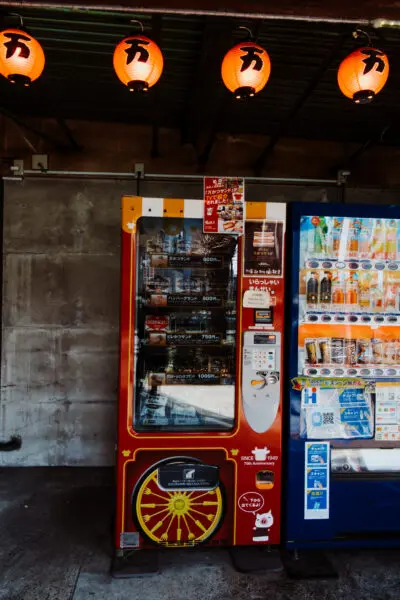
Shibuya is considered the popular shopping and entertainment district around Shibuya Station. One of Tokyo’s most colorful and bustling districts, filled with shops, restaurants and nightclubs. Harajuku is located between Shibuya and Shinjuku on the JR Yamanote Loop Line. Behind Shinjuku Station are towering skyscrapers, shopping streets, nice cafes, bars, restaurants and Kabukicho – Japan’s largest red light district. HFair is the combination of the traditional Asakusa and Akihabara districts, where anime and cosplay reign.
Day trips
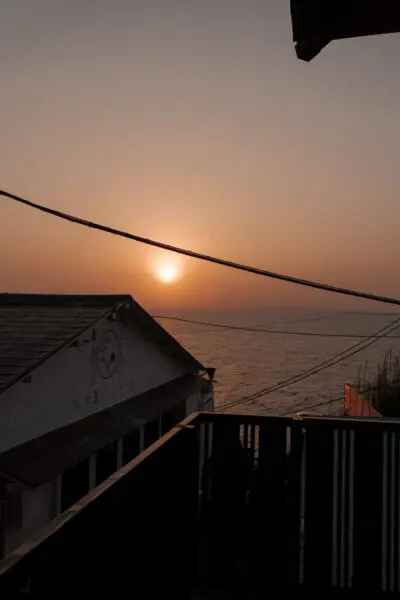
- Is there a bit of sun on the schedule? Then the combination of the island of Enoshima and the associated city is so wonderfully relaxing.
- Hot springs and views of Mt. Fuji that will blow you away. Hakone is a far cry from Tokyo and can be reached within one to two hours from the city.
- Nikko is popular for its sacred attractions and for Nikko National Park with mountainous landscapes, lakes, waterfalls, hot springs, wild monkeys and hiking trails.
- Have you ever been to Japan without seeing Mt. Fuji? We don't want to spoil the fun, but the weather conditions could easily prevent you from seeing it. Oh well, the Fuji Five Lakes are beautiful even without a view. See more about the Fuji Five Lakes here.
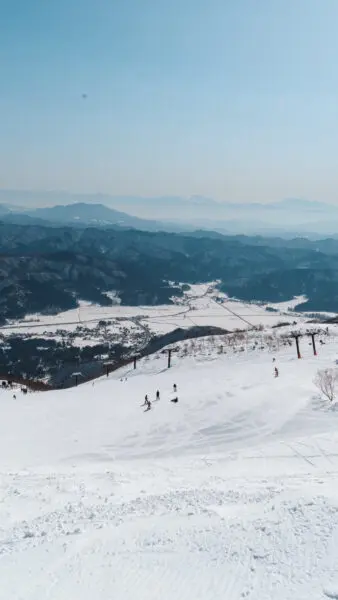
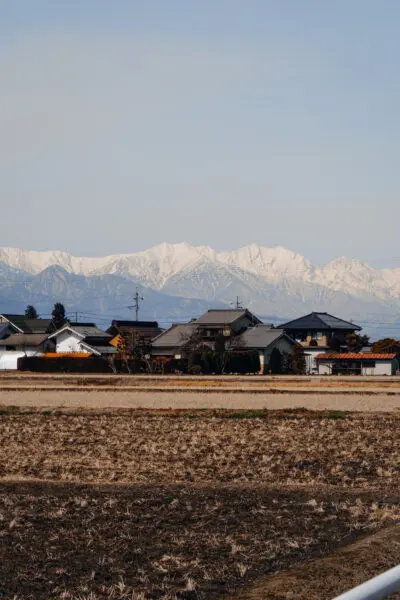
By train from Tokyo you are in the Alps in no time. Start in the Alpine town of Matsumoto and continue your journey to the beautiful nature of Takayama, Hida, Kanazawa and Shirakawago. For winter sports enthusiasts the Alps are ideal for skiing. Who, what, where?
hakuba
Hakuba matata (almost right) and a little bit of gas in the ski area paradise of the Japanese Alps. Hotel Oak Forest is a top option for an overnight stay.
Matsumoto
What is life like in the Japanese Alps? We found out in Matsumoto. Hip, creative, artistic, quiet and adventurous. But also Burgundian and historical. Where to sleep? Fukashiso is typically Japanese and a pleasant place to stay.
Tsumago
One of the best preserved cities and for that very reason quaint in a good way. The city is trying hard to preserve the Edo period: mobile phones are prohibited on the main street during the day and telephone lines and power cables are seeheld. The city is home to many traditional overnight accommodations, such as Maruya Inn.
Takayama
The old center of Takayama also has a traditional touch. If you are there in spring and autumn, the Takayama Festival takes place then and is one of the best festivals in Japan.
Kanazawa
Another important place in the Edo period is Kanazawa, important for rice production. In 2024 it is the terminus of the Hokuriku Shinkansen line from Tokyo and from other lines via Osaka and Kyoto. Therefore ideally accessible from the major urban centers of Japan.
Yunoshimakan
Of course you have to sleep in a traditional Japanese Ryokan when in Japan. Hidden in the mountains looks Yunoshimakan overlooking the famous Gero hot spring area.
Nagoya
A special city and one that you hear less often. A large part of the city, and unfortunately most of the historical buildings, were destroyed in the air raids of 1945. Yet Nagoya is With over two million inhabitants, it is the fourth most populous city in Japan.
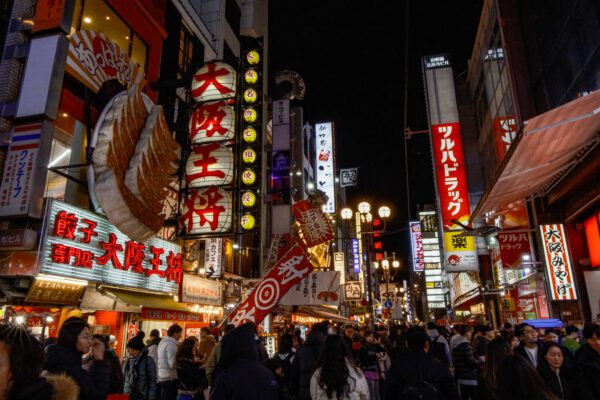
By train from the Alps you leave for the temple city of Kyoto. There is so much to do and undertake. Spend at least three days here. From Kyoto you can easily visit Osaka: the food capital of the country. Don't forget to take a train ride to Nara in this region.
Accommodation
The Ace Hotel in Kyoto is a love letter to Japan's cultural capital, with details of past and future legends. What we see most of all is a perfect looking hotel with a cool low-key vibe and everything in style, with an eye for detail, including a beautiful rooftop barIn Osaka we find Moxy Osaka Honmachi then top again.
Osaka
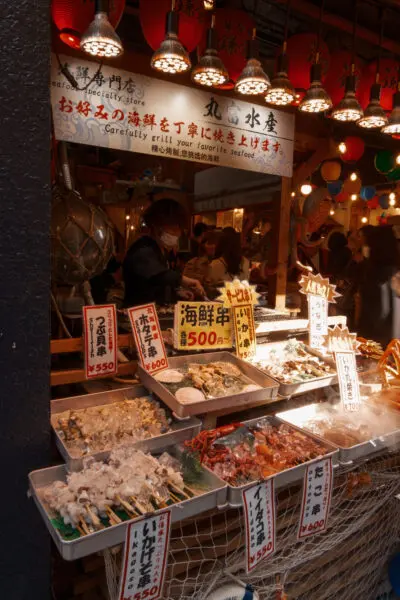
If a place is considered as food capital of Japan, then you've got us. The food scene from Osaka is top and this is the . We wrote an article with many more tips on where to eat in Osaka, which you can read here.
Finished eating? Osaka-jo is eand a quiet park with the famous Osaka Castle. Abeno Harukas is dThe city's tallest skyscraper and can be easily combined with one of Osaka's oldest temples. The raw edge can be found in this retro en nostalgic district with the Tsutenkaku Tower. Jan-Jan Yokocho Lane, which runs along one side of Shin-Sekai, is where the Japanese-style pubs and cheap cafeteria-style restaurants can be found.
Den-Den Town is eand a vibrant area with anime, video games and tech. Nearby Samba is Osaka's shopping and dining hub. America-Mura is eand a neighborhood with a Western-oriented youth culture. Around the meeting place Sankakukoen Triangle Park, streets fill with street art., galleries, trendy cafes, retro shops, rock cafes and clubs playing American hip hop. Dotombori is where you aall the neon and crowds you want to see at night.
Kyoto
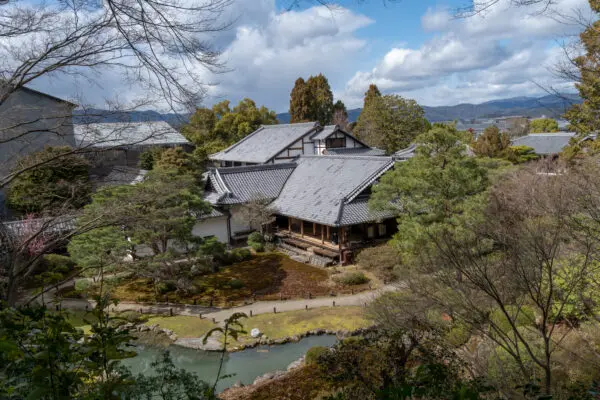
Some nice neighborhoods in Kyoto are: Gion (geisha district) with scrazy streets, wooden mansions and lots of tourists (because of this part of the district is closed off and early in the morning it is a must). Saga: a quiet corner along the temple Otago Nenbutsu-ji (with many whimsical statues) and Gio-ji Temple (with a garden full of moss). Of course ccentral Kyoto & the center and Higashiyama and Fushimi.
Say Japan, Say Food: in Kyoto. When you think of Japanese food, you think of Kaiseki, and Kyoto is the place to go for that. Consisting of a series of small courses (starter and a raw, stewed, grilled and steamed dish) that look beautiful. A creative picture and at Soujiki Nakahigashi (Michelin star and priced) they know what to do with it.
Day trip from Kyoto or Osaka? Think sacred Koyasan, Uji for Matcha combined with Nara and the wild deer.
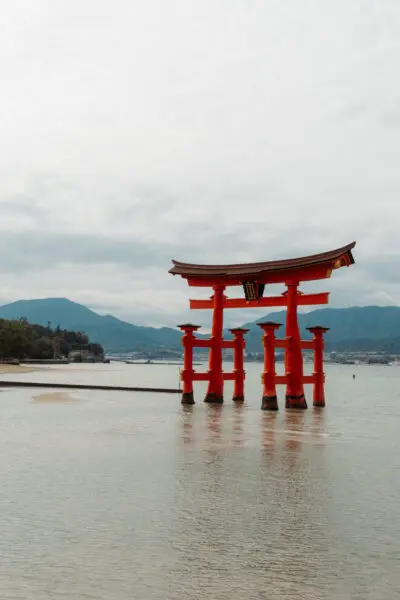
Let's by train to Hiroshima and Miyajima Island. The city is known among tourists because of the two devastating atomic bombs and the history is impressive, but Hiroshima has more to offer. Time left? From Hiroshima you can continue to Okayama and the Naoshima Art Island.
Okinawa
Japan has everything is often said, and if you look at Okinawa it is really explainable. The piece of Hawaii of Japan, but not yet discovered by the masses. Therefore also painful to tip, but too good not to do. Okinawa is an archipelago, of 160 large and small islands, in the southernmost point of Japan. You will find the blue zones, where people have an unprecedentedly high life expectancy, there are uninhabited islands, it is a paradise for divers and the food is something to write home about.
Hokkaido
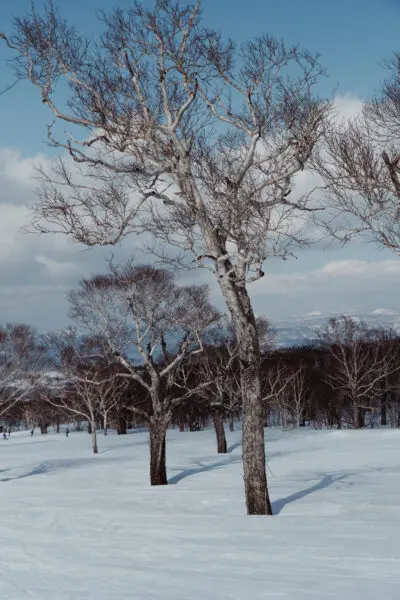
Hokkaido is the second largest island in Japan (after the much larger Honshu, where much of the above can be found). Hokkaido seems like a completely different country, where nature and adventure are the order of the day. In winter it is the winter sports destination of Japan (and Australia, because you will find a lot of Australians there), with the well-known champagne powder. But also fishing villages and floating ice. In the summer, the national parks are good for weeks of hiking pleasure. In addition, agriculture is one of the most important economic pillars and that is why the food is exceptionally fresh. You fly there from Tokyo in an hour and a half and the train from Tokyo to the ski area comes quickly.
More tips
-
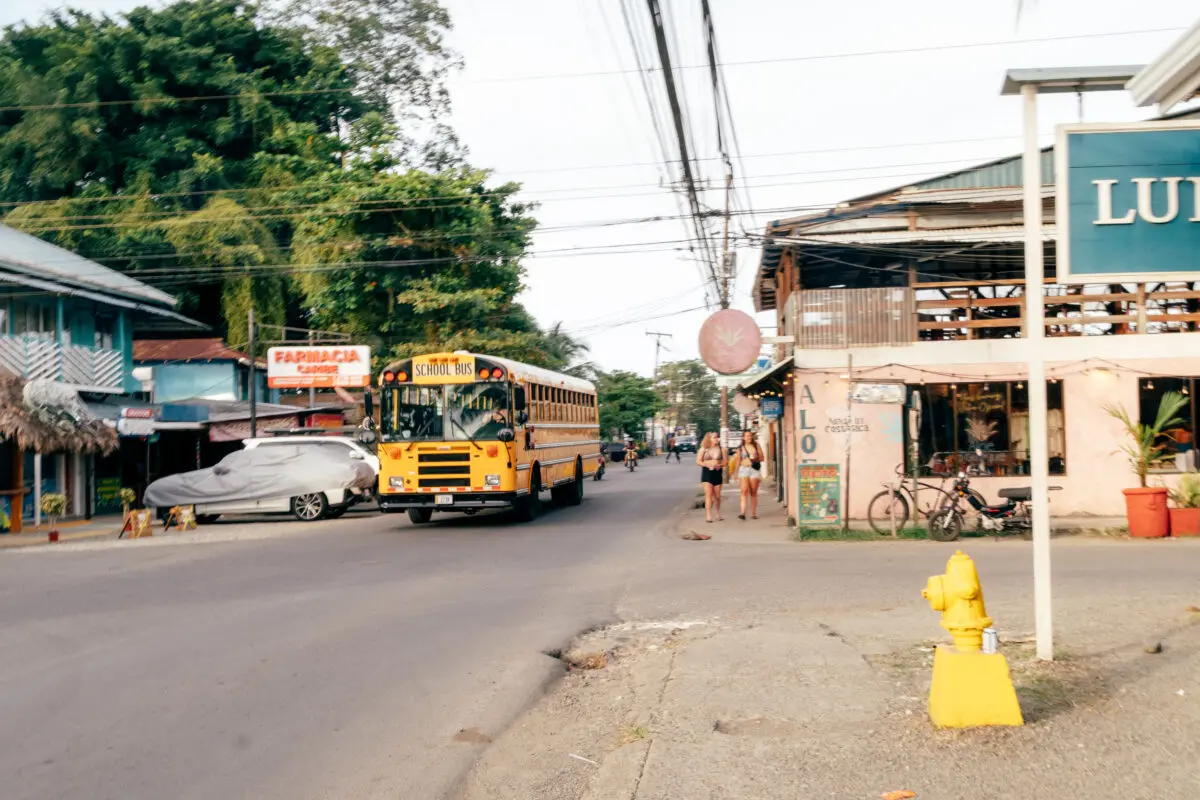
Tips for eating, drinking, sleeping, and doing in Puerto Viejo, Costa Rica
-
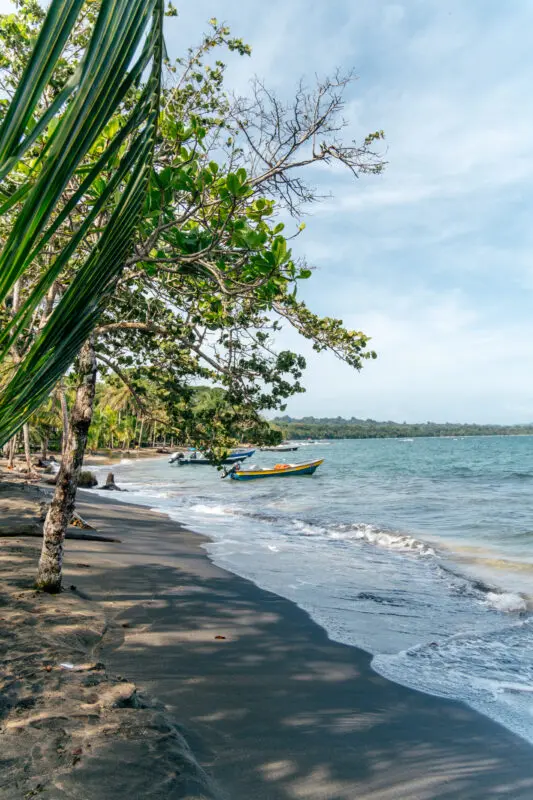
Pura Vida: the Caribbean coast of Costa Rica (+ tips!)
-
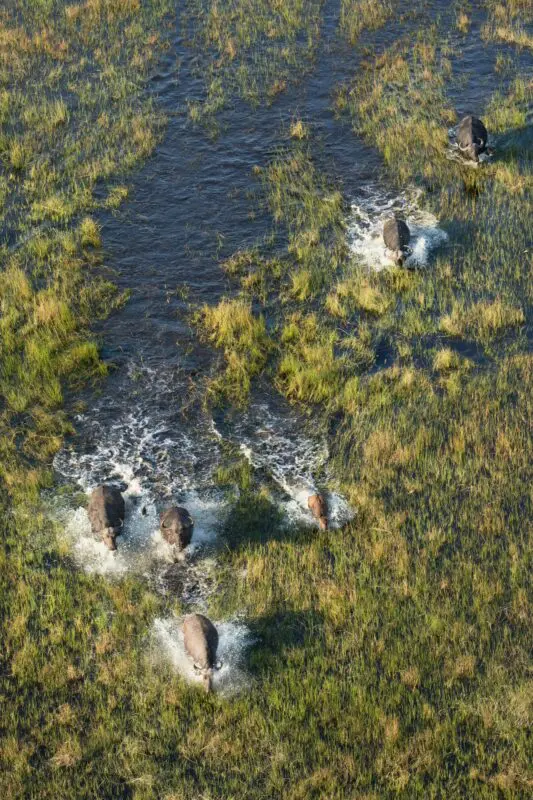
What is a safari, actually? Your first time on safari in Tanzania
-
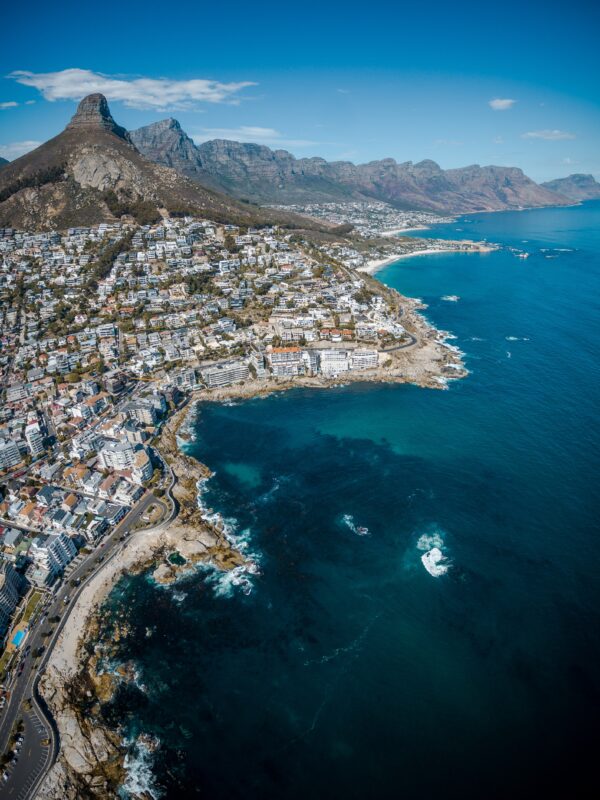
Barts Best of: restaurants, cafes and fun places in and around Cape Town
-
You can spend the night on Isla Holbox (Mexico) here:
-

One reservation you'll want to make right now for your Cape Town/South Africa vacation
-
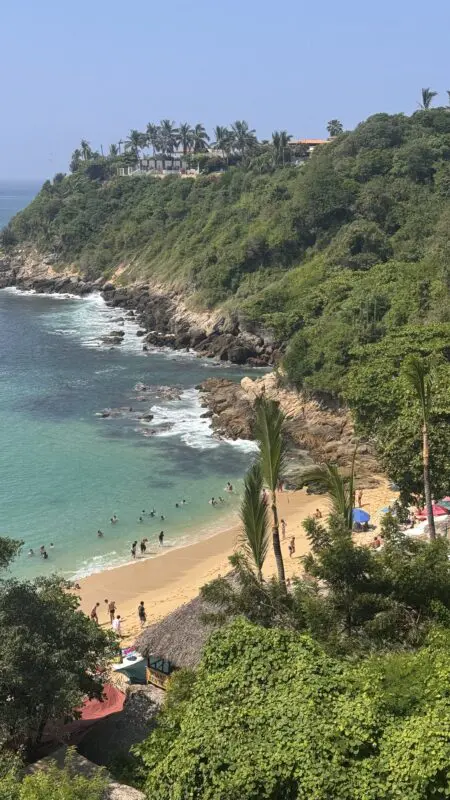
Oaxaca and Mexico City Tour: These are the best tips
-
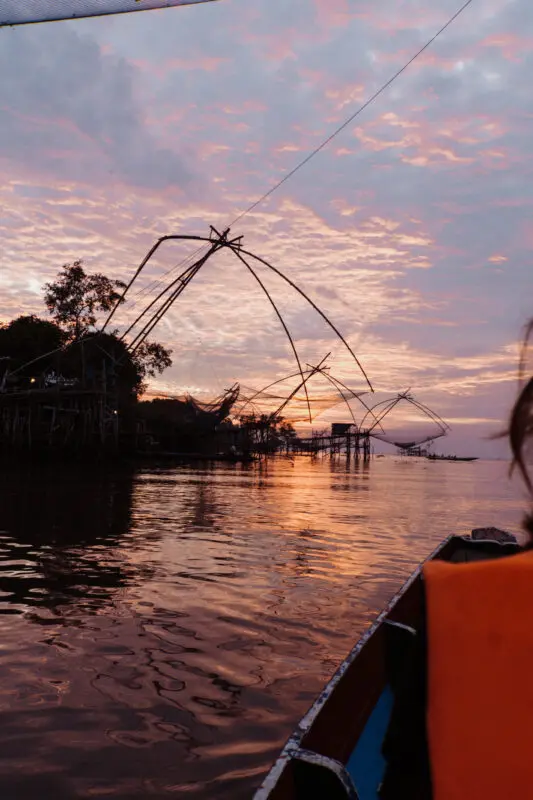
Tour of Southern Thailand: and not where the crowd goes
-

Honeymoon in Malawi (a must!): these are the most beautiful lodges for your honeymoon
-

Malawi is Africa's best-preserved safari and tropical destination.